
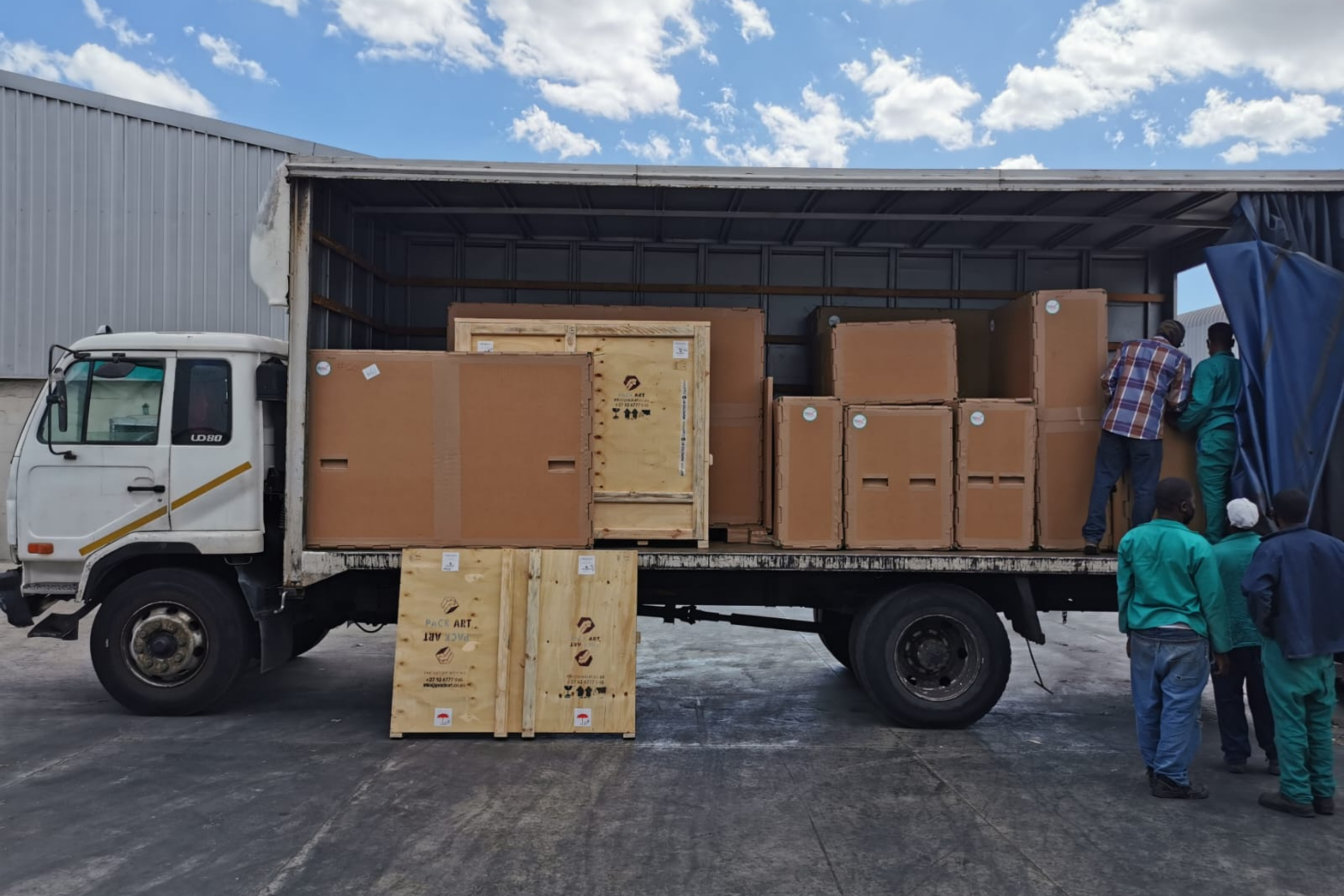
Heavy Equipment Transport Guide
Heavy Equipment Packaging: Best Practices for Safe Transport
Heavy machinery requires packaging designed around weight distribution, lifting methods, vulnerable components and the complete transport journey. Discover the practices that help reduce movement, handling risk and costly product damage.
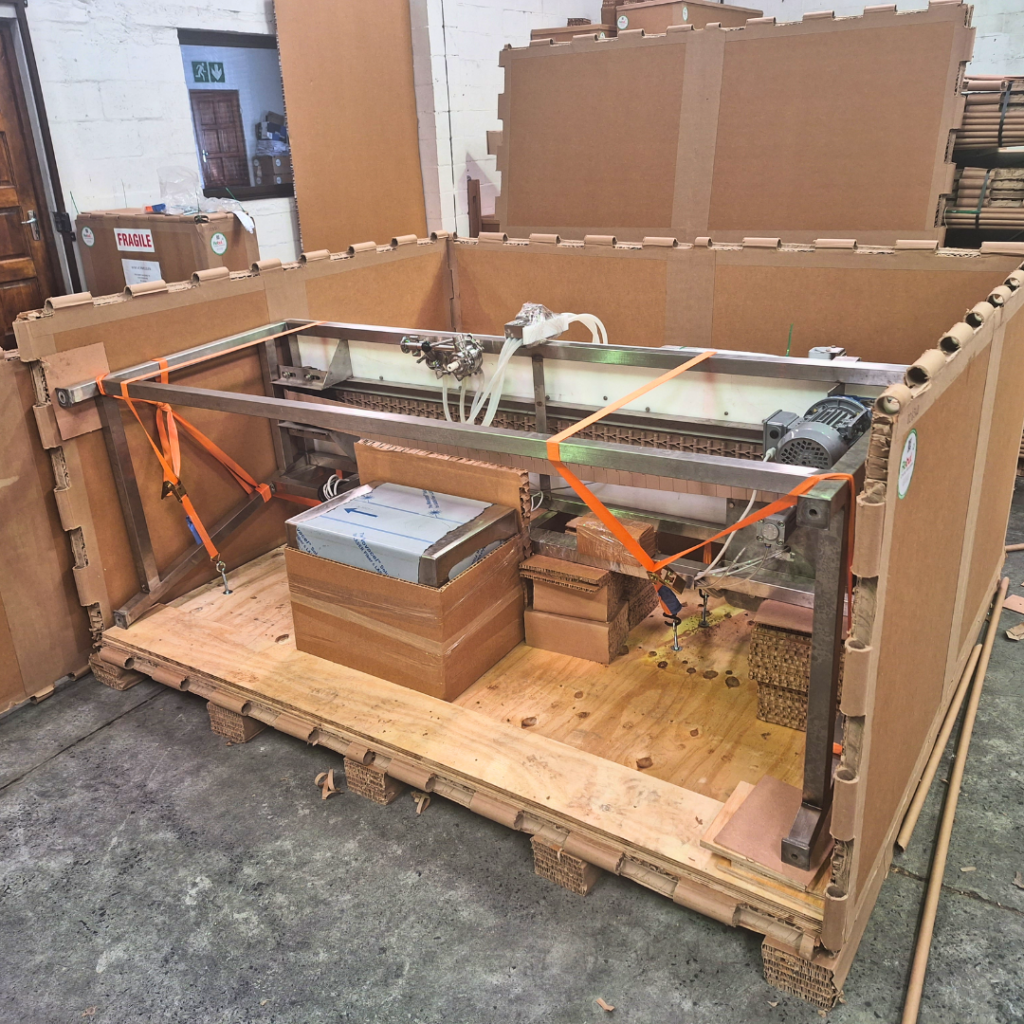
Quick Answer
What makes heavy equipment packaging effective?
Effective heavy equipment packaging supports the product at appropriate load-bearing points, controls movement, protects vulnerable components and provides safe access for forklifts, cranes or other handling equipment.
Specialised Protection
Why heavy equipment requires more than a standard crate
Heavy machinery often contains concentrated load points, uneven weight distribution, sensitive controls and exposed components.
Packaging should therefore be developed around the equipment rather than selecting a generic crate based only on its external dimensions.
High Product Weight
Heavy loads require suitable bases and structural support.
Uneven Centre of Gravity
Weight may be concentrated on one side or around selected components.
Vulnerable Components
Controls, sensors, hoses and connectors require suitable clearance.
Specialised Lifting
Forklift entry, crane access and sling positions must be considered.
Multiple Handling Stages
Equipment may be transferred several times before final delivery.
Long Transport Routes
Export and national distribution expose packaging to additional risks.
The Transport Journey
Every movement introduces a different risk
Heavy equipment packaging should remain stable throughout loading, transport, storage and final unloading.
01
Factory Handling
Equipment is moved, inspected and prepared for dispatch.
02
Road Transport
Vibration, braking and road movement affect the load.
03
Storage
Packaging may face stacking, moisture and repeated movement.
04
Export Handling
Ports and containers introduce additional transfer points.
05
Final Delivery
The equipment must remain protected until removal and installation.
Safe Transport Practices
6 best practices for heavy equipment packaging
Review each of these areas before approving packaging for heavy machinery or industrial equipment.
1. Understand Weight Distribution
Heavy equipment rarely has evenly distributed weight. Identifying the centre of gravity allows the packaging to support the load correctly and reduces stress on structural components.
Best practice
✔ Identify the centre of gravity
✔ Reinforce load-bearing areas
✔ Prevent uneven support
2. Secure Internal Movement
Even minor movement inside the packaging can result in significant damage during transport. Proper blocking, bracing and restraint systems keep the equipment stable throughout the journey.
Best practice
✔ Eliminate internal movement
✔ Secure all contact points
✔ Prevent shifting during braking and vibration
3. Protect Vulnerable Components
Panels, hydraulic fittings, sensors, cables and precision-machined surfaces require additional protection beyond the main structure.
Best practice
✔ Cushion delicate components
✔ Protect exposed surfaces
✔ Allow safe clearance around sensitive areas
4. Design for Safe Handling
Packaging should make loading and unloading safer—not more difficult. Proper forklift access, lifting points and balanced loads reduce handling risks.
Best practice
✔ Forklift access
✔ Crane compatibility
✔ Stable lifting points
5. Select Materials for the Application
Different equipment requires different material combinations. Hybrid packaging often combines honeycomb board, timber reinforcement and protective materials to achieve strength while reducing unnecessary weight.
Best practice
✔ Honeycomb where lightweight strength is required
✔ Timber for structural reinforcement
✔ Protective materials where impact resistance is needed
6. Prepare for the Entire Transport Journey
Packaging should be designed for every stage of transport—including storage, multiple loading cycles, road transport and export shipping.
Best practice
✔ Consider environmental conditions
✔ Prepare for repeated handling
✔ Plan for the final destination
Packaging Performance
Poor packaging vs engineered heavy-equipment packaging
Poor Packaging
Common causes of heavy-equipment damage
Packaging may fail when it is selected according to external dimensions alone without considering weight, movement and handling.
- Unsupported concentrated weight
- Weak or unsuitable base
- Movement inside the packaging
- Blocked lifting access
- Unprotected sensitive parts
- Inadequate export preparation
Engineered Packaging
Protection designed around the equipment
Custom packaging provides support, restraint and handling access in the areas where the equipment requires them.
- Balanced load distribution
- Reinforced structural support
- Controlled internal movement
- Accessible lifting positions
- Protected vulnerable components
- Route-specific preparation
Material Selection
Packaging materials used for heavy equipment
A heavy-equipment packaging solution may use one material or a hybrid combination depending on the product and journey.
01. Honeycomb Board
Lightweight paper-based structures suitable for selected equipment, panels and protective components.
- Reduced packaging weight
- Made-to-size construction
- Compression performance
- Recyclable options
02. Timber Reinforcement
Structural timber can support concentrated loads and reinforce bases where required.
- Heavy-load support
- Reinforced bases
- Lifting structures
- Selected export uses
03. Paper Composite Panels
Strong lightweight panels can provide enclosure and protection for suitable applications.
- Protective outer panels
- Custom sizing
- Reduced timber use
- Efficient handling
04. Foam and Protective Components
Cushioning and surface protection can be positioned around sensitive parts and finishes.
- Impact cushioning
- Surface protection
- Component clearance
- Vibration reduction
Route Requirements
Local and export transport require different planning
Local and National Transport
Road transport may involve shorter timeframes but still requires protection against vibration, movement and handling.
- Road vibration and braking forces
- Forklift loading and unloading
- Short- to medium-term storage
- Protection from weather exposure
- Stable truck or flatbed loading
International Export Transport
Export shipments normally include longer routes, additional transfer points and destination-specific requirements.
- Container loading and restraint
- Port and terminal handling
- Moisture and condensation exposure
- Long-term transit and storage
- Applicable destination requirements
The Rebul Approach
How Rebul designs heavy equipment packaging
The design process begins with the equipment and the conditions it may experience throughout handling and transport.
01
Product Assessment
Review dimensions, weight, load points and vulnerable components.
02
Transport Review
Assess lifting, storage, route, handling and destination risks.
03
Packaging Design
Select materials, supports, restraints and handling features.
04
Manufacture and Inspect
Produce the packaging and review fit, strength and final protection.
Pre-Dispatch Review
Heavy equipment packaging checklist
Complete a final review before the packaged equipment leaves the factory.
Equipment weight confirmed
Centre of gravity assessed
Why Rebul
Why manufacturers choose Rebul
Rebul develops custom industrial packaging around product weight, handling methods and transport requirements.
Custom Engineered
Packaging developed around the equipment and journey.
Heavy Equipment Experience
Support for machinery and manufactured products.
Honeycomb Expertise
Lightweight protective solutions for suitable applications.
Export-Oriented Design
Packaging planned around long routes and repeated handling.
Handling Considered
Forklift, crane and unloading access built into the solution.
Sustainable Options
Reduced timber and recyclable materials where appropriate.
Cape Town Manufacturing
Local production and support in the Western Cape.
Johannesburg Support
Industrial packaging assistance for Gauteng customers.
Protect heavy equipment before it moves.
Share your equipment dimensions, weight, photographs, lifting method, destination and transport requirements. Rebul can recommend a custom industrial packaging solution for the application.
FAQs
Heavy Equipment Packaging FAQs
What is heavy equipment packaging?
Heavy equipment packaging is product-specific protective packaging designed to support machinery during handling, storage and transport.
Why cannot heavy machinery use standard crates?
Heavy machinery often has uneven weight distribution, specialised lifting requirements and vulnerable components that require custom support.
How is movement prevented inside the packaging?
Blocking, bracing, restraints and supports are positioned around the equipment to reduce forward, backward and sideways movement.
What materials are used for heavy equipment packaging?
Materials may include honeycomb board, paper composites, timber reinforcement, protective foam and hybrid structures.
Can heavy equipment packaging be designed for export?
Yes. Packaging can be planned around container loading, repeated handling, moisture exposure and longer international transport routes.
What information is needed for a quotation?
Product dimensions, weight, photographs, lifting method, quantity, destination and required delivery date are normally useful.
Can packaging include forklift and crane access?
Yes. Forklift entry points, crane access and lifting clearances can be incorporated into the design.
Related Resources
