
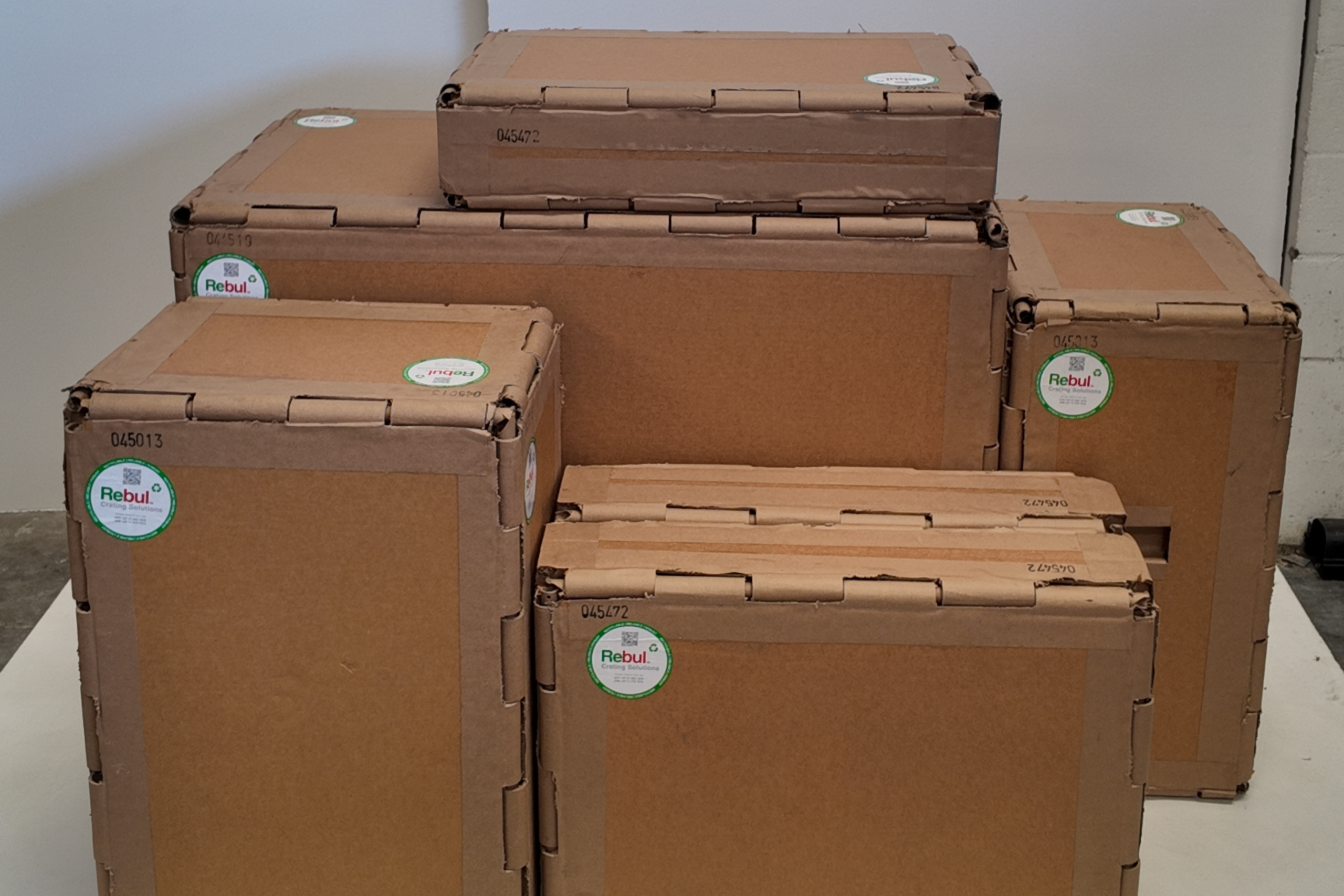
International Shipping Guide
Export Packaging Requirements for International Shipping
International shipments expose machinery and manufactured products to repeated handling, long transport routes, moisture and changing storage conditions. Effective export packaging should be planned around the product and its complete journey.

Design for the full journey
Packaging should remain effective from factory collection to final destination.
01 →
Factory
02 →
Road Freight
03 →
Port / Terminal
04 →
Container
05 →
International Transit
06
Final Delivery
Export Packaging Dossier
There is no single export packaging standard for every shipment
Product characteristics, shipping method, destination and materials all influence the packaging requirements.
Product
Dimensions & Weight
Size, mass, centre of gravity and vulnerable components.
Journey
Transport Route
Road freight, sea freight, air freight and transfer points.
Handling
Lifting Requirements
Forklift, pallet-jack, crane and loading access.
Environment
Moisture & Storage
Humidity, condensation, storage duration and exposure.
Core Export Requirements
6 things export packaging should get right
International packaging must combine structural strength, product protection, handling efficiency and route-specific preparation.
Match the packaging to the product
Design around the product’s dimensions, weight, centre of gravity and sensitive areas rather than relying on standard crate sizes.
Control internal movement
Strong external packaging cannot protect a product that is free to shift during braking, vibration or lifting.
Support the product weight correctly
Concentrated loads require appropriate base structures and support positions.
Consider moisture protection
Long journeys and changing temperatures can expose products to humidity and condensation.
Select materials for the destination
Packaging material choices should reflect the shipment, product and any destination-specific requirements.
Inspect before dispatch
Check structure, restraints, lifting access, labels and protection before the product leaves the facility.
Wood Packaging
Understanding ISPM 15
Certain solid-wood packaging materials used in international trade may need to meet phytosanitary requirements.
Always confirm current destination-specific requirements before dispatch. This guide provides general packaging information and is not a certification or legal opinion.
Wood packaging commonly associated with ISPM 15 includes:
Timber pallets
Wooden crates
Dunnage
Timber supports
Shipping Method
Sea freight and air freight create different packaging demands
Export packaging should reflect how the product will travel, not only where it is going.
Sea Freight
Designed for longer exposure
Sea freight often requires more consideration for storage duration, humidity and repeated handling.
- Longer transit periods
- Container condensation
- Port handling
- Stacking pressure
- Moisture protection
Air Freight
Designed around weight efficiency
Air freight can place greater importance on packaging weight, dimensional efficiency and rapid handling.
- Lower packaging weight
- Compact dimensions
- Secure restraint
- Fast handling
- Surface protection
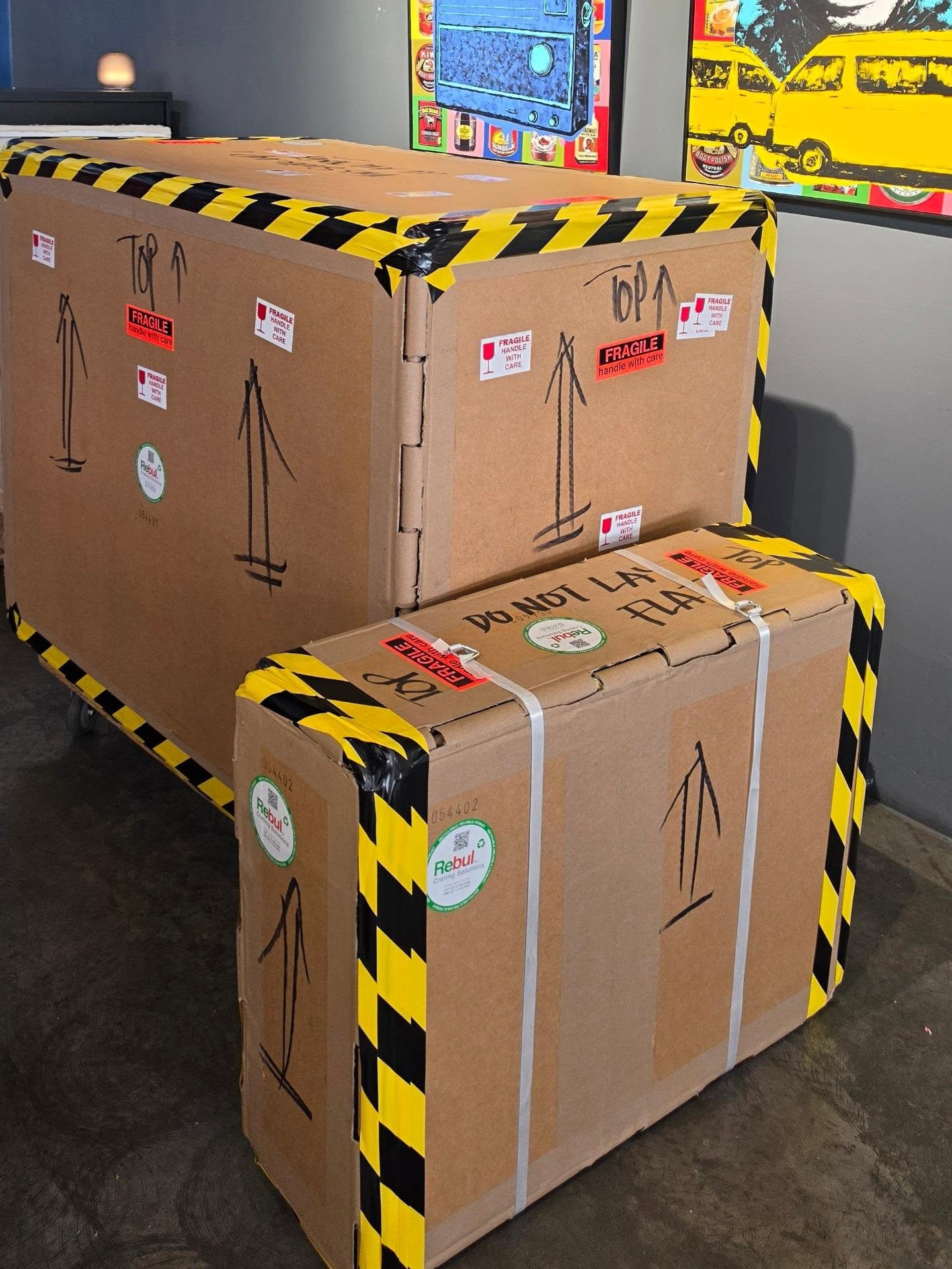
Moisture Protection
Long routes can introduce environmental risks
Sea freight and storage can expose industrial products to changing temperatures, humidity and condensation. Moisture protection should be selected according to the product and shipping environment.
Protective wrapping
Helps isolate sensitive surfaces.
Moisture barriers
Useful where environmental exposure is expected.
Desiccants
Can assist with moisture management in enclosed spaces.
Corrosion protection
Important for selected metal products and machinery.
Heavy Machinery Export
Heavy equipment needs packaging engineered around the machine
Heavy machinery presents additional challenges because structural support, lifting access and internal restraint must all work together.
Machine weight
Centre of gravity
Lifting points
Sensitive components
Internal restraint
Moisture sensitivity
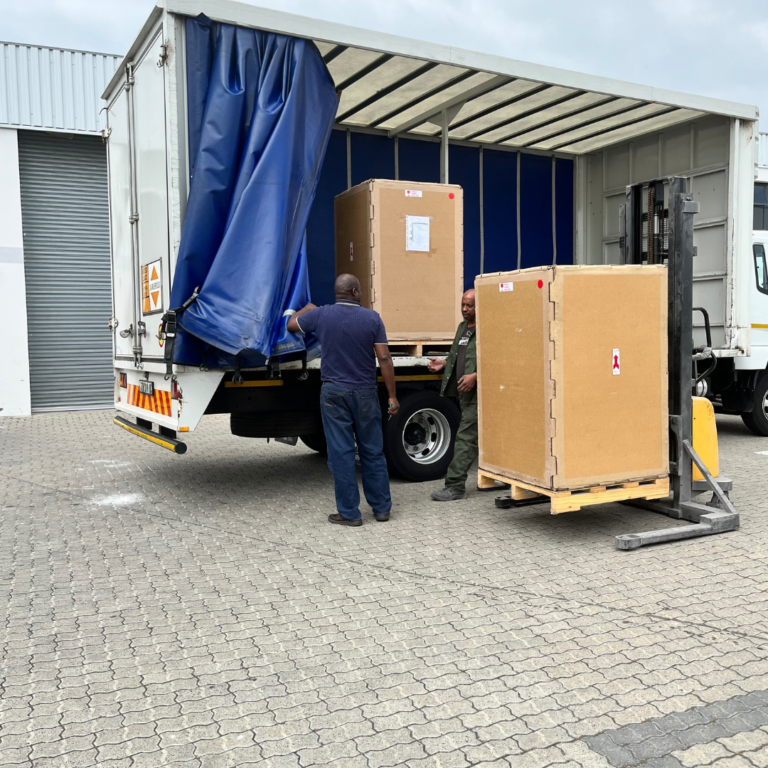
Common Export Mistakes
Small packaging decisions can create large shipping problems
Export failures often start before the shipment leaves the factory.
01
Designing only around size
Dimensions alone do not account for weight, movement or fragility.
02
Allowing internal movement
Products can be damaged even when the outer packaging remains intact.
03
Ignoring moisture exposure
Long journeys can introduce humidity and condensation risks.
04
Forgetting handling access
Poor lifting access increases the chance of mishandling.
05
Using unnecessary material
More packaging does not automatically mean better protection.
06
Ignoring destination requirements
Export requirements should be checked before dispatch.
The Rebul Approach
How Rebul develops export packaging
Packaging is developed around the product, handling requirements and intended transport route.
01
Understand the product
Review dimensions, weight and vulnerable areas.
02
Review the journey
Consider transport, handling, storage and destination.
03
Select the structure
Choose suitable packaging materials and load support.
04
Design internal protection
Add restraints, cushioning and product-specific supports
05
Plan handling access
Include forklift, crane and loading requirements.
06
Inspect before dispatch
Review structure, labels, restraint and protection.
Request Export Packaging
What should you send with your enquiry?
The more information available at the beginning, the easier it is to develop packaging around the actual shipment.
Useful project information
Product dimensions
Product weight
Photographs
Technical drawings
Quantity
Destination
Transport method
Lifting requirements
Moisture sensitivity
Required completion date
Preparing a product for international shipping?
Rebul designs export packaging around product weight, handling, transport conditions and destination requirements.
Frequently Asked Questions
Export Packaging FAQs
Common questions from manufacturers preparing machinery and industrial products for international shipment.
What packaging is required for international shipping?
The appropriate packaging depends on the product, weight, destination, shipping method and handling conditions.
Does export packaging need to comply with ISPM 15?
ISPM 15 applies to certain wood packaging materials used in international trade. Requirements should be confirmed for each shipment.
How should machinery be packaged for export?
Machinery packaging should consider weight distribution, lifting points, internal restraint, sensitive areas and moisture exposure.
Is honeycomb packaging suitable for export?
It can be suitable for many applications when engineered for the product weight and transport requirements.
How can products be protected from moisture?
Depending on the application, protection may include wrapping, moisture barriers, desiccants and corrosion-control measures
Can better packaging reduce shipping costs?
Efficient packaging can reduce unnecessary weight, improve handling and lower the risk of damage-related costs.
Related Resources
Continue exploring industrial packaging
Learn more about machinery protection, packaging standards, costs and industrial packaging design.
