
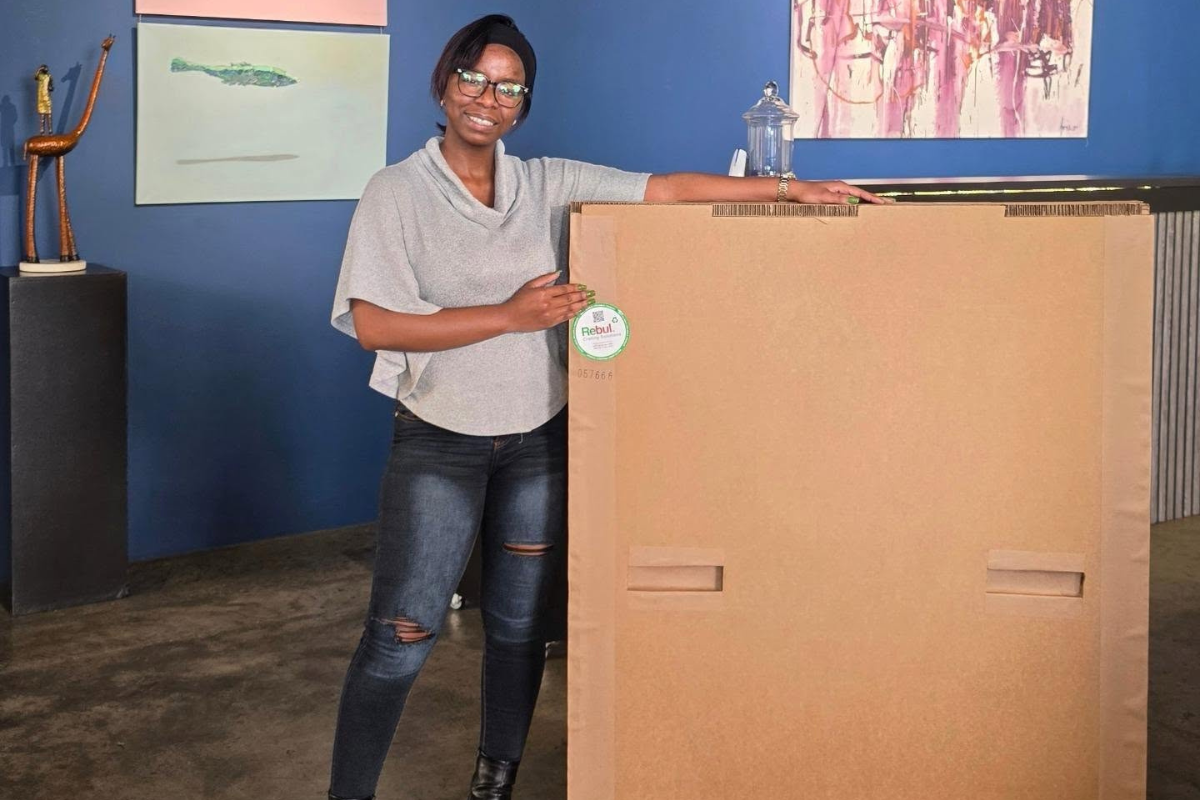
Artwork Export Guide
How to Pack Paintings or Sculptures for Export
Paintings and sculptures require packaging designed around fragile surfaces, irregular shapes, movement risk and the full international transport journey.
Packaging should fit the artwork
Custom art packaging designed around the artwork’s size, shape and transport requirements.
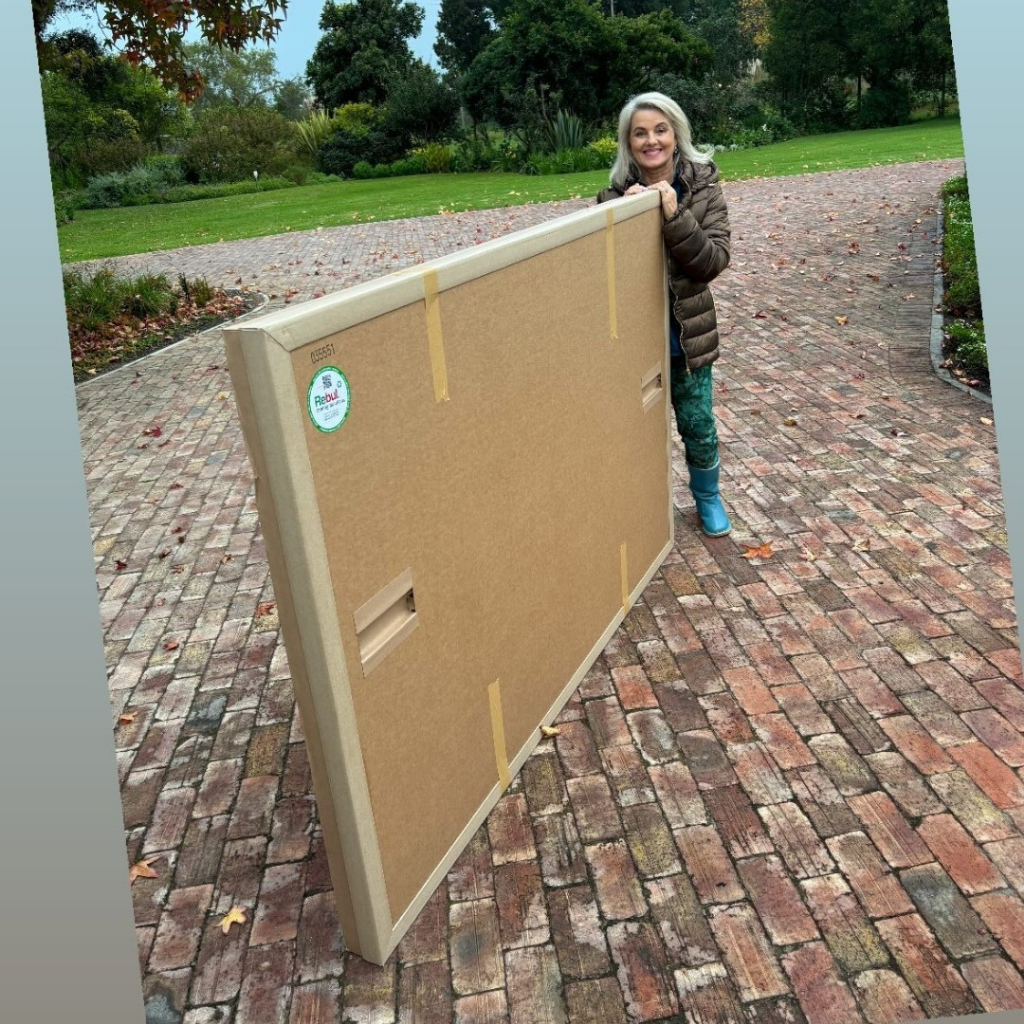
Why Specialised Packaging?
Artwork is not a standard manufactured product
Paintings and sculptures often combine fragile surfaces, irregular shapes, sensitive finishes and high value. Packaging therefore needs to protect specific vulnerabilities rather than simply surround the artwork.
Fragile Surfaces
Paint, glass, frames and finishes may require careful material selection.
Irregular Shapes
Sculptures may have projecting parts and non-uniform support points.
High Value
Damage can result in significant financial and cultural loss.
Long Journeys
Export transport introduces repeated handling and environmental changes.
Two Different Packaging Challenges
Paintings and sculptures need different protection strategies
The packaging should be developed according to the structure, weight, surface sensitivity and shape of the artwork.
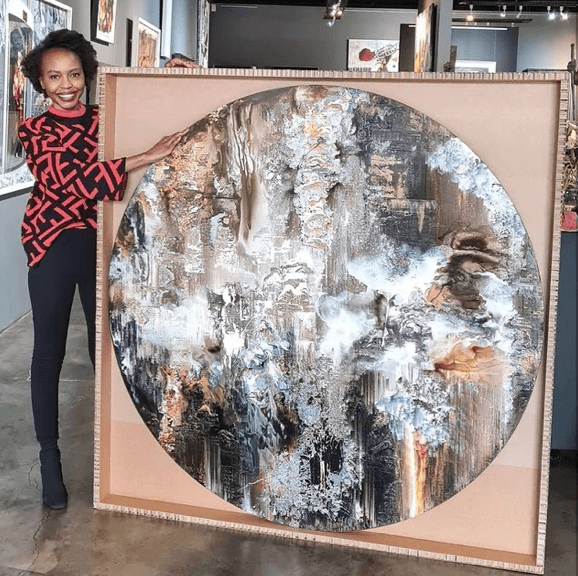
Paintings
Paintings often require protection for surfaces, glazing, frames, corners and orientation.
- Surface isolation
- Surface isolation
- Frame support
- Controlled clearance
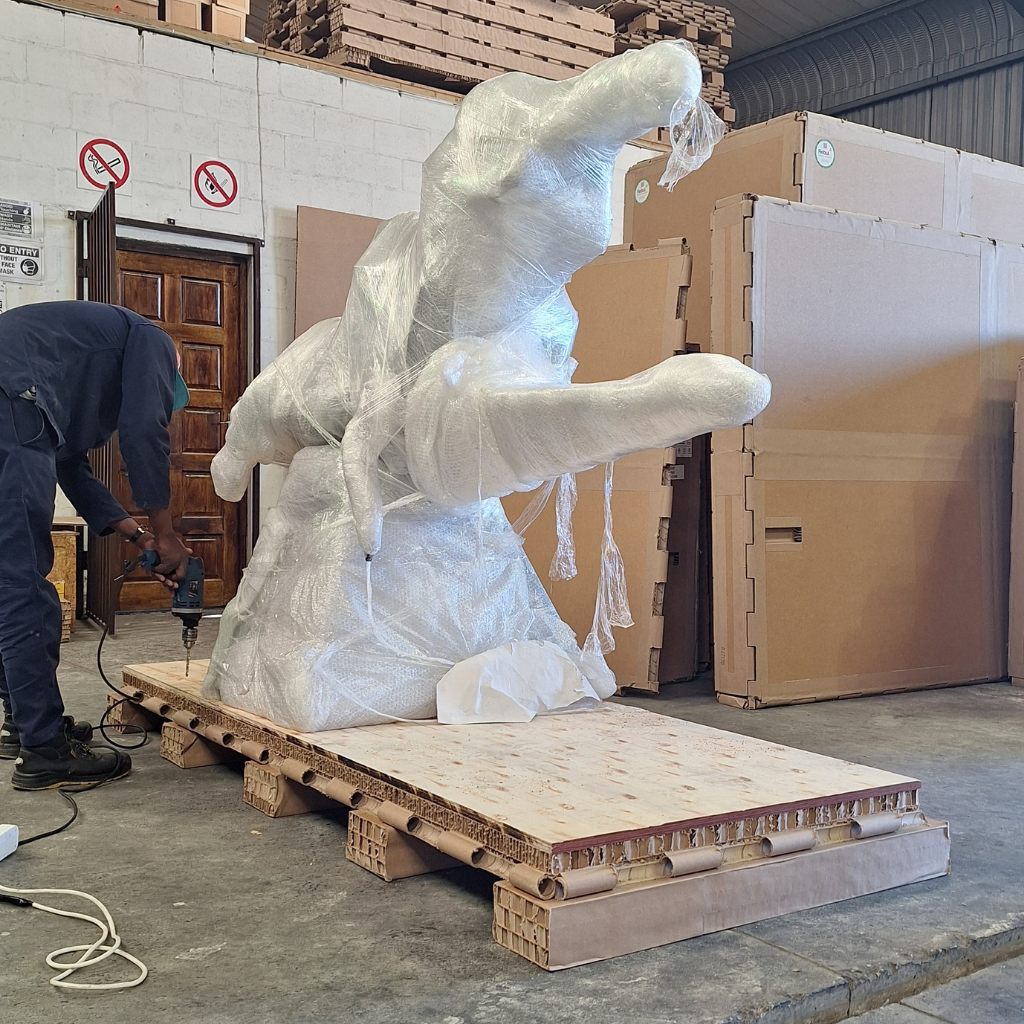
Sculptures
Sculptures often require customised support around uneven weight, protrusions and delicate structural areas.
- Load support
- Base stabilisation
- Projection clearance
- Custom restraint
Before Packaging Begins
Start by understanding the artwork
Good art packaging starts with assessment, not material selection.
01
Measure
Record full dimensions including frames, bases and projections.
02
Assess Weight
Determine how the artwork should be supported and handled.
03
Identify Vulnerabilities
Review fragile surfaces, corners, glazing and projecting areas.
04
Review the Journey
Consider transport method, handling points and destination conditions.
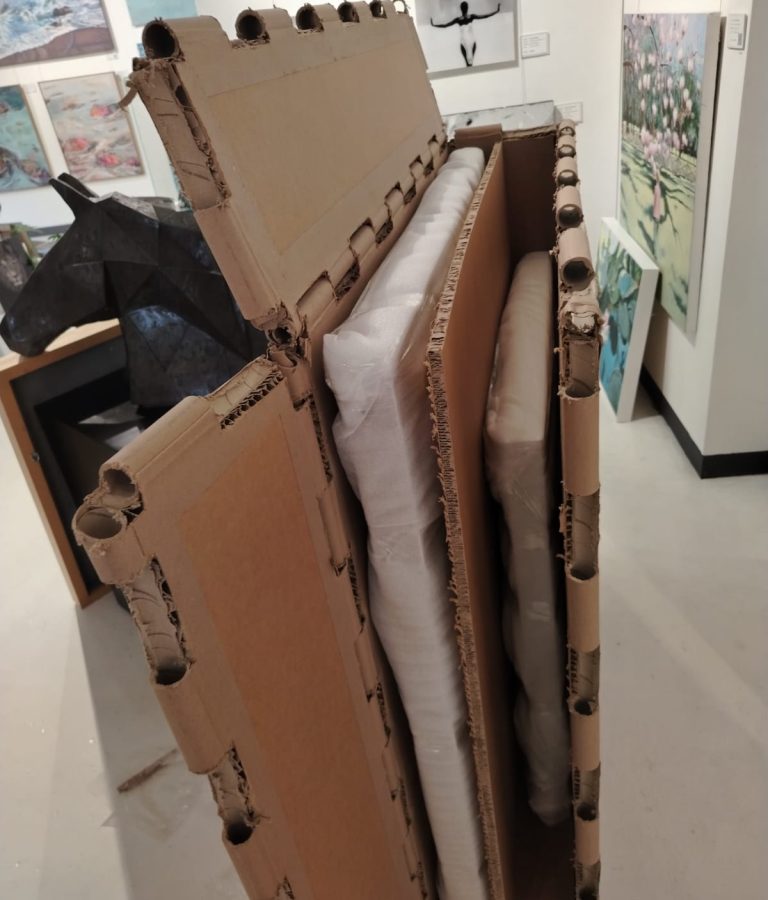
Packing Paintings
Protect the surface before protecting the box
A painting can be damaged long before the outer packaging fails. Surface contact, edge pressure and movement inside the crate all need to be controlled.
Surface Protection
Avoid abrasive or unsuitable direct-contact materials.
Corner Protection
Reduce concentrated impact around frames and edges.
Internal Support
Prevent the artwork from moving inside the package.
Outer Structure
Select strength according to artwork and transport conditions.
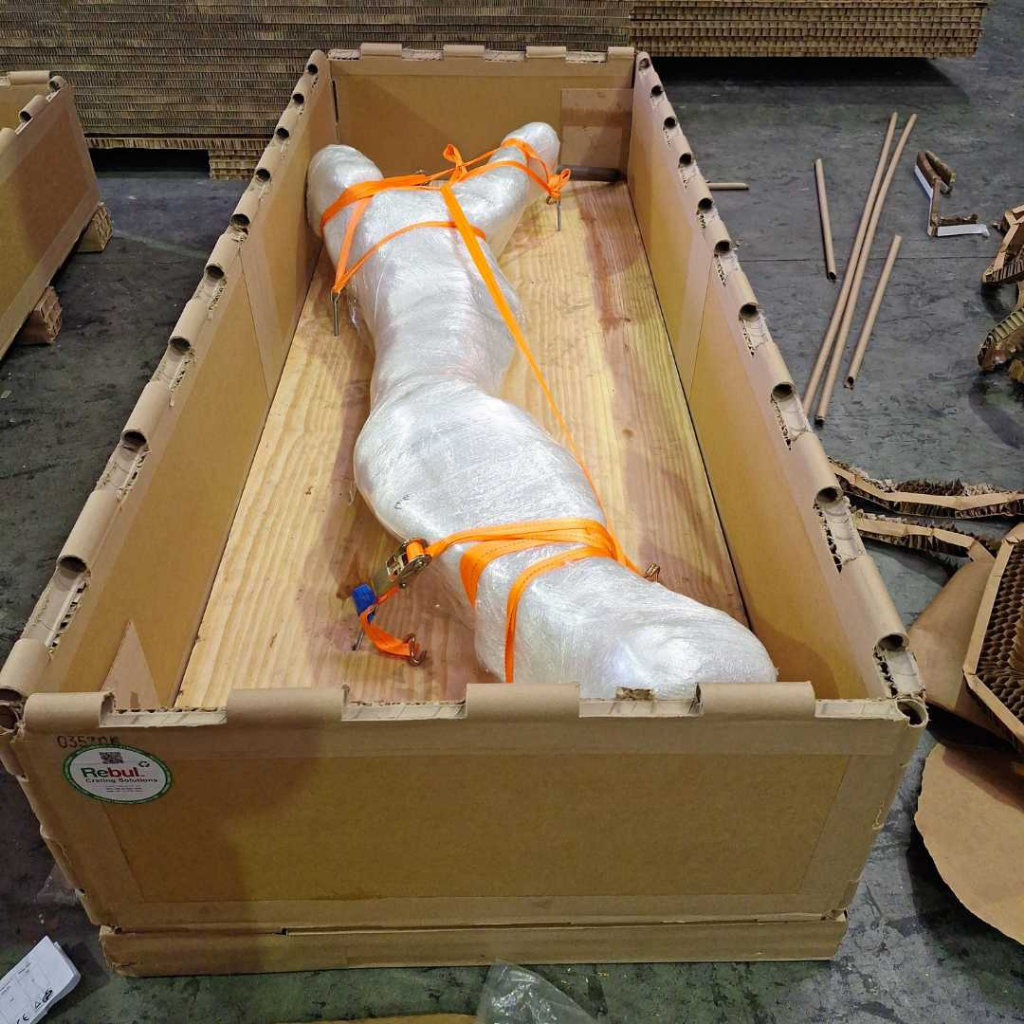
Packing Sculptures
Support the sculpture where it can safely carry load
Sculptures should not be supported through delicate projections or thin decorative sections. The packaging should transfer weight through suitable structural areas.
Identify strong support points
Protect projections
Reinforce the base
Control tipping
Allow lifting access
Create safe clearance
The Export Journey
Artwork may pass through many hands before arrival
The packaging should remain effective through every handling stage.
01
Studio
Inspection and packaging preparation.
02
Collection
Initial lifting and vehicle loading.
03
Warehouse
Storage and additional movement.
04
International Transit
Long-distance transport and handling.
05
Final Delivery
Unpacking at gallery, collector or exhibition.
Material Selection
Different materials perform different protective roles
The final solution may combine several materials rather than relying on one.
01
Honeycomb Packaging
Lightweight structural protection for suitable artwork applications.
- Custom internal structures
- Lower packaging weight
- Structural separation
02
Corrugated Materials
Useful for lighter protective layers and internal separation.
- Protective layers
- Dividers
- Surface separation
03
Timber Structures
Provides stronger support where heavier artwork requires it.
- Reinforced bases
- Heavy-load support
- Export crate construction
04
Foam & Cushioning
Provides targeted isolation for selected sensitive areas.
- Impact cushioning
- Surface protection
- Controlled clearance
Common Packing Mistakes
Six mistakes that increase artwork shipping risk
Most failures begin with poor fit, movement or unsuitable material contact.
01
Oversized Packaging
Too much internal space allows artwork to move during transport.
02
Unsafe Surface Contact
Unsuitable materials can mark or damage sensitive finishes.
03
Poor Corner Protection
Frames and corners often receive concentrated impact.
04
Weak Internal Restraint
A strong crate cannot protect artwork that moves inside it.
05
Ignoring Weight Balance
Heavy sculptures can become unstable during lifting and handling.
06
Planning Only for Collection
Export packaging should protect the artwork through the full journey.
The Rebul Approach
How custom art packaging is developed
Packaging is built around the artwork, its vulnerabilities and the transport route.
01
Artwork Assessment
Review dimensions, weight, shape and fragile areas.
02
Journey Review
Consider local handling, export transport and destination.
03
Packaging Design
Develop the outer structure around the artwork requirements.
04
Material Selection
Select suitable supports, panels and protective materials.
05
Manufacture
Produce the packaging to the agreed design.
06
Transport Preparation
Review handling, orientation and final packaging condition.
Request Art Packaging
What should you send with your enquiry?
Clear information about the artwork helps us assess the protection and packaging requirements more accurately.
Artwork type
Photographs
Dimensions
Approximate weight
Frame or base size
Fragile areas
Collection location
Destination
Air or sea freight
Handling requirements
Protect the artwork before the journey begins.
Rebul develops custom packaging for paintings, sculptures and valuable artwork based on the piece, handling method and transport route.
Frequently Asked Questions
Art Packaging FAQs
Common questions about packing paintings, sculptures and artwork for export.
What is the safest way to pack a painting for export?
The method depends on the artwork, frame, glazing, value and transport route. Surface protection, corner protection, internal restraint and a suitable outer structure are key considerations.
Do paintings need custom crates?
Larger, fragile or valuable paintings may benefit from custom crates because the protection can be designed around the artwork.
How should sculptures be packaged?
Sculptures should be supported at structurally suitable points, stabilised at the base and protected around projections and sensitive surfaces.
Can honeycomb packaging be used for artwork?
Yes. Honeycomb materials can be used for suitable protective and structural applications depending on weight and transport requirements.
Is timber required for exporting artwork?
Not always. Materials should be selected according to the artwork and shipment. Where regulated solid wood is used, destination requirements should be confirmed.
Can Rebul package unusually shaped sculptures?
Yes. Custom packaging can be developed around irregular dimensions, weight and vulnerable areas.
Related Resources
Continue exploring protective packaging
Learn more about art packaging, export protection and custom packaging solutions.
