
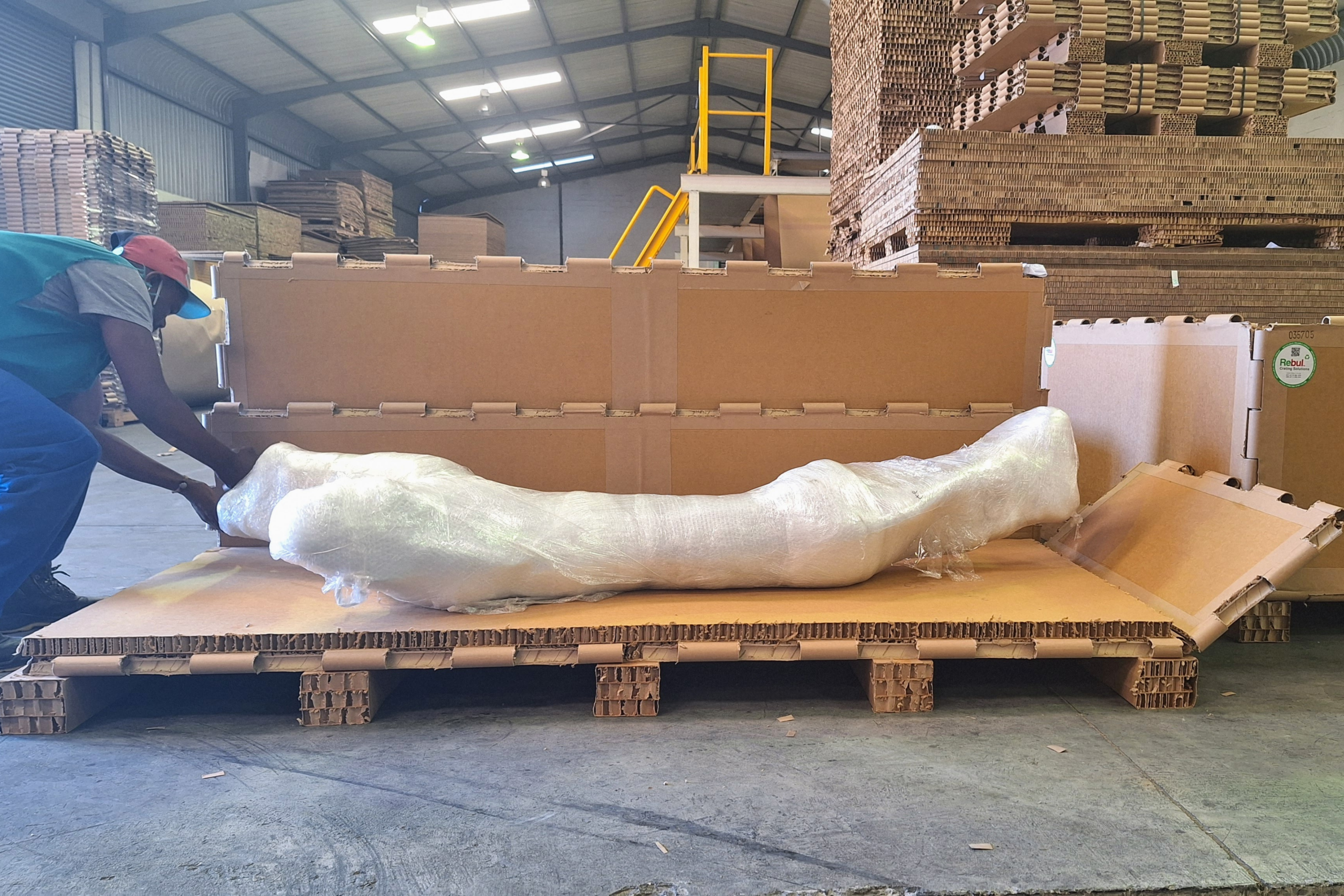
South African Industrial Packaging Guide
Industrial Packaging Standards and Best Practices in South Africa
Industrial packaging must protect machinery, equipment and manufactured products throughout storage, handling, local delivery and export shipping. This guide explains the principal factors South African manufacturers should consider when preparing industrial products for transport.
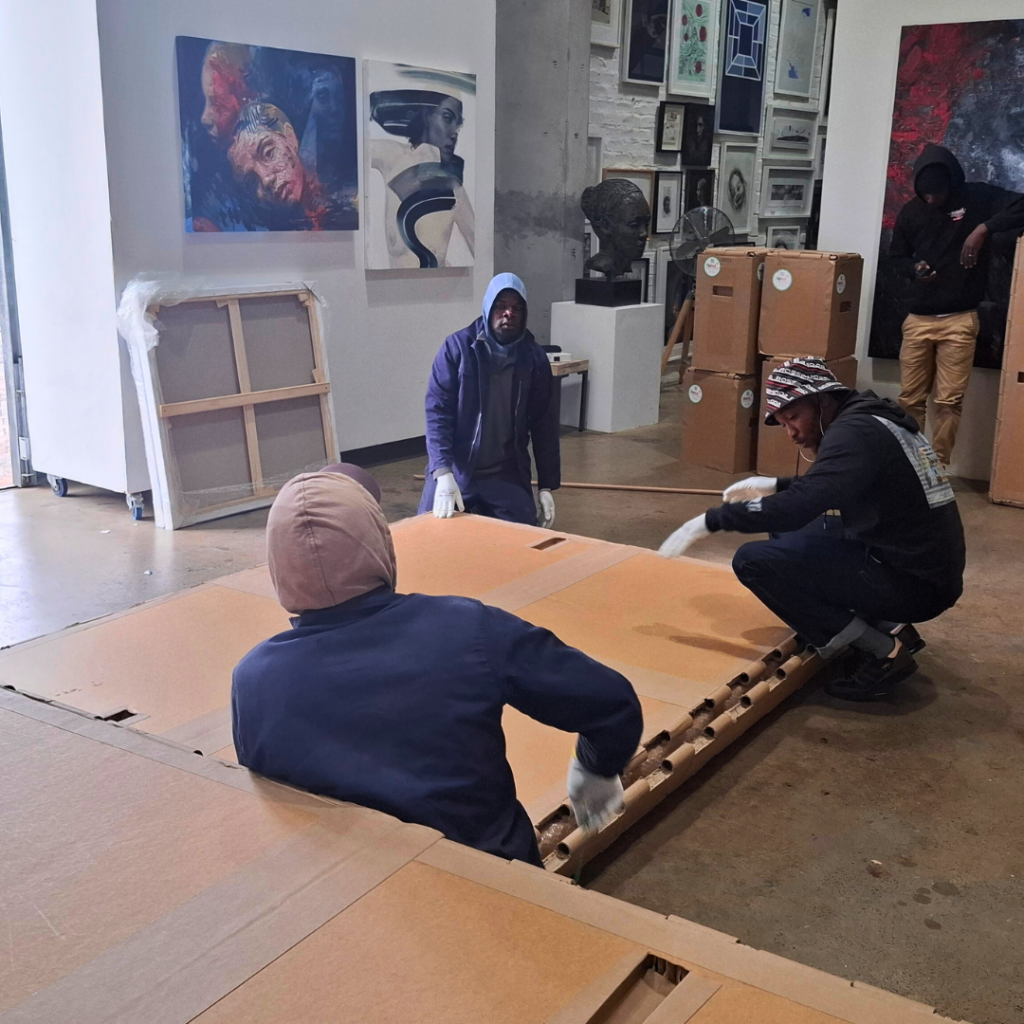
Quick Answer
What are industrial packaging standards?
Industrial packaging standards are recognised requirements and good practices used to select materials, design structures, control product movement and prepare goods for storage, handling and transport. The exact requirements depend on the product, route, destination and materials used.
In this guide
→ Why packaging standards matter
→ South African packaging requirements
→ Export packaging considerations
→ Understanding ISPM 15
→ Packaging materials and applications
→ Common packaging mistakes
→ How Rebul develops packaging
→ Industrial packaging checklist
Important: Packaging and export requirements vary according to the product, packaging materials, destination and transport method. Confirm all applicable regulatory, phytosanitary and customer-specific requirements before dispatch.
Why Standards Matter
Industrial packaging must perform beyond the factory floor
Products may be lifted, stacked, stored, transported and transferred several times before reaching the final customer. Packaging must remain stable throughout every stage.
Suitable packaging practices help reduce transport damage, improve handling safety and prepare products for the conditions they may face.
Industrial packaging should do more than enclose the product. It should support the load, control movement and help the package withstand the conditions it may experience throughout the supply chain
The objective is not to use the greatest amount of packaging material. It is to use the right structure, materials and protection in the right places.
Product Protection
Suitable supports and restraints help reduce movement and impact.
Load Stability
Balanced weight distribution supports safer handling and transport.
Handling Efficiency
Forklift and lifting access can be included in the packaging design.
Export Readiness
Materials and protection should reflect the destination requirements.
Lower Damage Risk
Correct packaging helps reduce repairs, replacements and freight claims.
Professional Delivery
Products arrive in packaging suited to the application and journey.
South African Requirements
What manufacturers should consider before shipping
Industrial packaging requirements vary according to the product, transport method, storage conditions and final destination.
01
Product Dimensions
Packaging should provide suitable clearance without allowing excessive product movement during handling and transport.
02
Product Weight
Heavy or concentrated loads may require reinforced bases, supports and carefully planned weight distribution.
03
Handling Method
Forklift entry, pallet-jack movement, crane lifting and loading requirements should be considered before manufacture.
04
Transport Route
Local road transport, national distribution and international export introduce different risks and protection requirements.
05
Storage Conditions
Storage duration and exposure to dust, moisture, sunlight or changing temperatures may influence protective materials.
06
Destination Requirements
Exporters should confirm applicable packaging, treatment, marking and documentation requirements for the destination.

Export Packaging
International shipments face more demanding conditions
Export packaging may be handled multiple times, stored for longer periods and exposed to changing environmental conditions before reaching the customer.
Packaging should therefore be planned around the full route rather than only the initial collection and loading stage.
Repeated handling points
Longer transport routes
Container movement
Moisture and condensation
Warehouse storage
Port and terminal handling
Stacking and compression
Destination requirements
Timber Export Packaging
Understanding ISPM 15
ISPM 15 is an international phytosanitary measure relating to certain wood packaging materials used in international trade.
ISPM 15 treatment and official marking should be completed by appropriately registered or authorised service providers. Exporters should not apply or reproduce the mark themselves.
Wood packaging commonly associated with ISPM 15 includes:
Timber pallets
Wooden crates
Packing blocks
Wooden supports
Important: Exporters should confirm the current requirements applicable to the destination country, shipment and packaging materials. This article provides general guidance and is not a certification or legal opinion.
Material Selection
Choosing packaging materials for the application
Industrial packaging may use one material or a combination of materials depending on product weight, handling and transport requirements.
01
Honeycomb Packaging
Lightweight paper-based packaging suited to many manufactured products and selected industrial applications.
02
Timber Components
Structural timber may be used for heavy loads, reinforced bases and selected machinery applications.
03
Corrugated Board
Corrugated board can provide external protection, internal separation and secondary packaging for suitable products.
04
Hybrid Packaging
Different materials may be combined to support product weight while protecting sensitive areas.
Common Packaging Problems
Mistakes that can undermine industrial packaging performance
Packaging may appear adequate while stationary but fail once the product is lifted, stacked, transported or exposed to environmental conditions.
01
Incorrect packaging size
Excess space can allow movement, while insufficient clearance may damage sensitive parts.
02
Poor load distribution
Concentrated weight may overload weak areas of the base or packaging structure.
03
Insufficient internal restraint
A strong outer crate cannot prevent damage if the product shifts inside.
04
Ignoring the handling method
Forklift and crane access should be incorporated into the design in advance.
05
Inadequate moisture protection
Longer storage and export routes may require barriers or additional protection.
06
Assuming every route is the same
Local delivery and international shipping expose packaging to different risks.
The Rebul Approach
How Rebul develops industrial packaging
Packaging is developed around the product, its handling method and the conditions it may experience during transport.
01
Assess the Product
Review dimensions, weight, load points and vulnerable components.
02
Review the Journey
Consider handling, storage, transport, destination and export requirements.
03
Engineer the Protection
Select suitable materials, supports, restraints and handling features.
04
Manufacture and Inspect
Produce the packaging to specification and review the final solution.
Pre-Dispatch Review
Industrial packaging checklist
Review the product, structure, handling features and destination requirements before releasing the shipment.
Correct product dimensions
Suitable load-bearing support
Internal movement controlled
Forklift or crane access included
Moisture protection reviewed
Why Rebul
Why manufacturers choose Rebul
Rebul develops custom packaging for machinery, equipment and manufactured products based on the needs of the application.
Product-Specific Design
Packaging developed around product dimensions and weight.
Honeycomb Expertise
Lightweight paper-based packaging for suitable applications.
Export-Focused Support
Packaging planned around longer routes and repeated handling.
Material Flexibility
Honeycomb, timber, foam and hybrid options where appropriate.
Handling Considered
Forklift, crane and loading requirements incorporated.
South African Manufacturing
Local production and practical packaging support.
Cape Town Capability
Packaging manufacturing and customer support in the Western Cape.
Johannesburg Support
Packaging assistance for customers in Gauteng.
Need packaging prepared for industrial transport?
Share your product dimensions, weight, destination, handling method and transport requirements. Rebul can recommend a custom industrial packaging solution suited to the application.
FAQs
Industrial Packaging Standards FAQs
What are industrial packaging standards?
They are recognised requirements and good practices used to design packaging that protects industrial products during storage, handling and transport.
Are there different requirements for local and export packaging?
Yes. Export shipments normally involve longer routes, more handling stages and destination-specific requirements that may influence materials and protection.
What is ISPM 15?
ISPM 15 is an international phytosanitary measure associated with certain wood packaging materials used in international trade.
Does all export packaging require treated timber?
Requirements depend on the materials used, destination and applicable regulations. Exporters should confirm the requirements for each shipment.
Can honeycomb packaging be used for industrial products?
Yes. Honeycomb packaging can provide lightweight, strong and made-to-size protection for many suitable industrial products.
What information is needed to design industrial packaging?
Product dimensions, weight, photographs, quantity, destination, handling method and transport requirements are normally useful
Can Rebul assist with export packaging?
Rebul can develop packaging around the product and intended transport conditions. Destination-specific regulatory requirements should always be confirmed before shipment.
Related Resources
Continue exploring industrial packaging
Industrial Packaging Solutions
How Custom Industrial Packaging Is Designed
Industrial Packaging Mistakes That Cause Damage
How Much Does Industrial Packaging Cost?
