
Industrial Packaging Guide
Industrial Packaging Mistakes That Cause Product Damage
Product damage is often caused by packaging that does not properly support, restrain or protect the product during handling and transport. Discover the most common mistakes and how manufacturers can prevent them.

Packaging failure often begins before transport
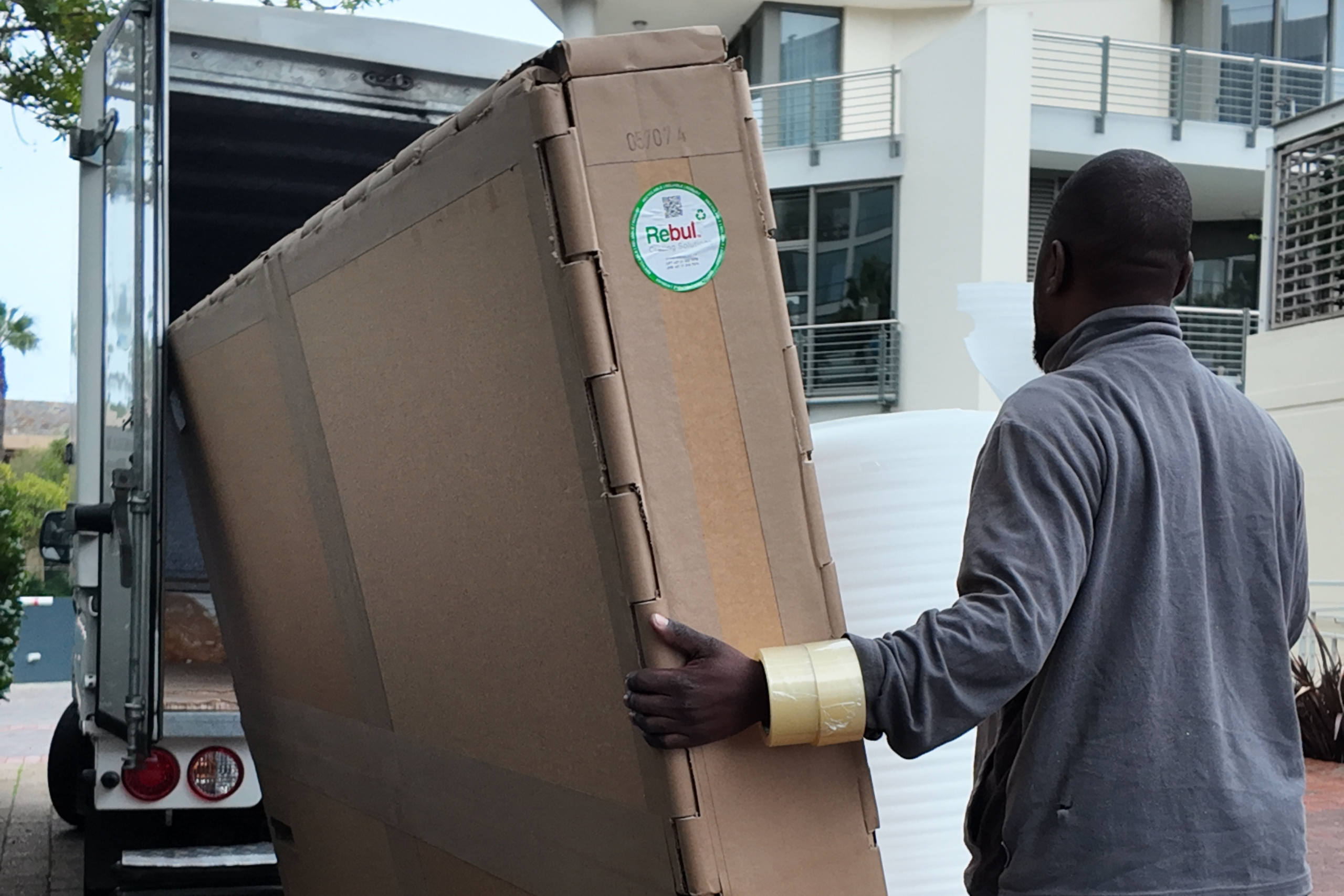
Custom protective packaging designed to support an industrial component and reduce movement during transport.
Quick Answer
What causes industrial packaging failures?
Industrial packaging failures are commonly caused by incorrect sizing, insufficient internal support, poor weight distribution, unsuitable materials and packaging that was not designed for the handling or transport conditions.
Incorrect Size
Poor Restraint
Wrong Materials
Weight Imbalance
Handling Errors
Export Risks
Understanding Packaging Failure
Why industrial packaging failures rarely result from one single mistake
In many cases, damage begins with packaging that was not designed around the product’s dimensions, weight, fragility and transport conditions.
Small weaknesses can become serious problems once the package is lifted, stacked, transported and handled several times throughout the supply chain.
Why packaging failures happen
Industrial products often pass through several handling and transport stages before reaching the final customer.
Every movement introduces impact, vibration, compression and environmental risks. Packaging that works inside a factory may not remain suitable for road transport, warehousing or export shipping.
Factory handling
Forklift loading
Warehouse storage
Road transport
Container loading
Port handling
International shipping
Final delivery
The Product Journey
Every stage introduces a new packaging risk
Packaging must protect the product throughout the complete journey, not only while it is stored inside the factory.
01
Factory Floor
Products may be moved, packed and stored before dispatch.
02
Loading
Forklift and crane handling can create instability or impact.
03
Transport
Vibration, braking and uneven roads can cause movement.
04
Warehousing
Stacking and repeated handling can weaken unsuitable packaging.
05
Final Delivery
The package must remain stable until it reaches the customer.
Common Packaging Failures
Industrial packaging mistakes that cause product damage
Review each of the following areas before approving packaging for transport.
01
Using Packaging That Is Too Large
Excess empty space allows the product to move during transport, increasing the risk of impact damage.
Common issues
→ Product movement
→ Surface damage
→ Impact damage
02
Poor Internal Support
Strong outer packaging cannot protect a product that is free to move inside.
Common issues
→ Weak bracing
→ Missing cushioning
→ Product movement
03
Ignoring Product Weight
Heavy equipment requires reinforced bases and properly engineered load distribution.
Common issues
→ Base failure
→ Load imbalance
→ Packaging collapse
04
Choosing the Wrong Packaging Material
Packaging materials should match the product, transport conditions and handling requirements.
Common issues
→ Weak protection
→ Excess weight
→ Moisture exposure
05
Not Designing for Export
Packaging suitable for local deliveries may fail during international shipping.
Common issues
→ Moisture damage
→ Repeated handling
→ Long-distance transport
06
Choosing Packaging Based Only on Price
The cheapest packaging often becomes the most expensive after product damage and claims.
Common issues
→ Product replacement
→ Delivery delays
→ Customer complaints
The Cost of Failure
Poor packaging costs more than the crate itself
Packaging should be evaluated according to the total cost of transport, protection and delivery—not only the initial purchase price.
Packaging Failure
Hidden costs caused by product damage
Packaging failure can affect operations, customers and the profitability of the complete shipment.
- Product repairs and replacement
- Production downtime
- Freight and insurance claims
- Emergency replacement deliveries
- Customer dissatisfaction
- Reputational damage
Correct Packaging
Protection designed around the product
Custom packaging reduces movement and provides support where the product needs it most.
- Improved product stability
- Better load distribution
- Reduced movement and vibration
- Safer handling
- Lower damage risk
- More professional delivery
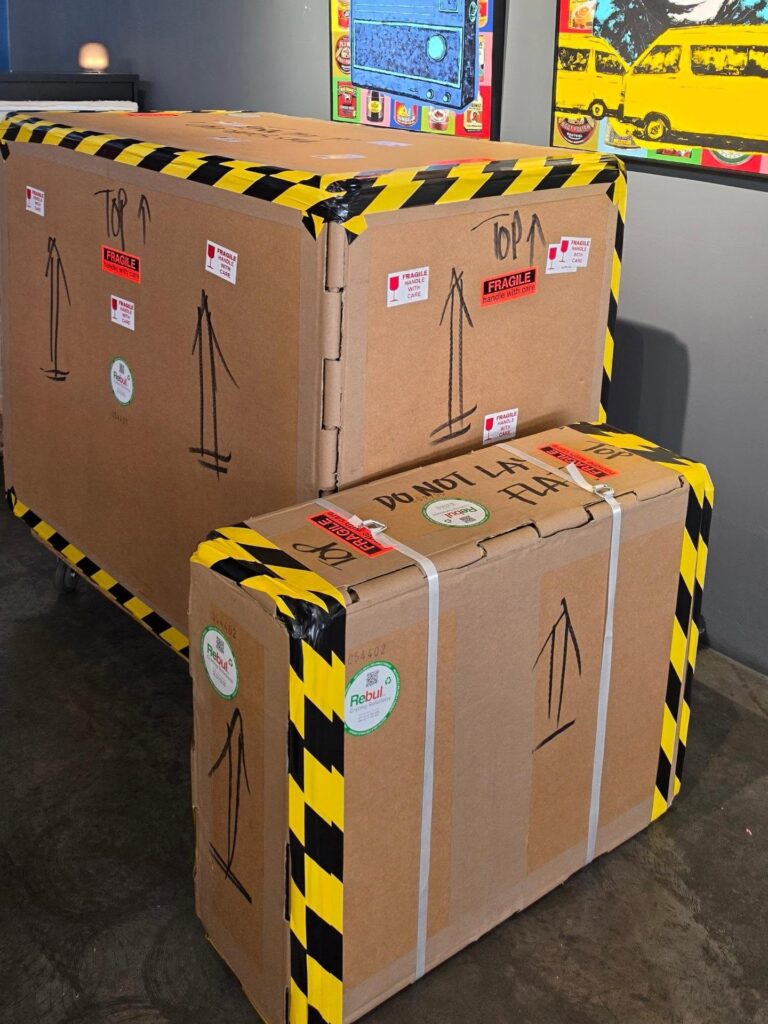
Free Industrial Packaging Inspection Checklist
Check packaging size, bases, restraints, lifting points, labels and export protection before dispatch.
Packaging Review
Warning signs your packaging needs improvement
Repeated product damage and packaging failures are usually signs that the current design, material or packing process is no longer suitable.
→ Frequent transport damage
→ Customer complaints
→ Movement inside packaging
→ Broken pallets or bases
→ Moisture-related damage
→ Repeated freight claims
→ Crushed packaging panels
→ Increasing replacement costs
Damage Prevention
How custom industrial packaging prevents damage
Effective packaging begins by understanding the product, its journey and every point at which it may be handled.
01
Assess the Product
Review dimensions, weight, fragility, centre of gravity and vulnerable areas.
02
Understand the Journey
Consider transport method, handling equipment, storage and destination.
03
Select Suitable Materials
Choose honeycomb, timber, foam or hybrid materials according to the application.
04
Control Product Movement
Use correctly positioned restraints, supports and protective components.
Practical Example
Different products require different protection
A local cabinet and an export machine cannot use the same packaging.
A lightweight electrical cabinet being delivered locally may require honeycomb panels, corner protection and pallet support.
A heavy industrial machine being exported overseas may require a reinforced base, internal restraints, lifting access, moisture protection and a design suited to container transport.
Both products require protection, but the packaging must reflect the weight, journey and level of risk involved.
Packaging should respond to:
Custom packaging reduces movement and provides support where the product needs it most.
- Product weight and load points
- Vulnerable components and surfaces
- Handling and lifting methods
- Distance and transport route
- Storage and environmental exposure
- Local or international delivery
Why Rebul
Why manufacturers choose Rebul
Rebul develops packaging around the product, transport route and handling requirements.
Custom Engineered
Packaging designed according to the product’s dimensions and weight.
Damage Prevention
Support and restraint designed to reduce transport movement.
Honeycomb Expertise
Lightweight paper-based packaging for suitable applications.
Export Ready
Solutions developed for local and international transport.
Handling Considered
Forklift, crane and pallet-jack access included where required.
Sustainable Options
Reduced timber and recyclable materials where appropriate.
Cape Town Manufacturing
Local production and packaging support in the Western Cape.
Johannesburg Support
Industrial packaging support for customers in Gauteng.
Protect your products before they leave the factory.
Send Rebul your product dimensions, weight, photographs, destination and handling requirements. Our team can recommend packaging designed to reduce movement and protect the product throughout transport.
FAQs
Industrial Packaging Failure FAQs
What causes industrial packaging failures?
Common causes include incorrect sizing, weak internal supports, unsuitable materials, poor load distribution and packaging that was not designed for the transport route.
How does custom packaging reduce product damage?
Custom packaging limits product movement, supports load-bearing areas and protects sensitive components throughout handling and transport.
Why is internal support important?
Internal supports and restraints prevent the product from shifting, vibrating or striking the packaging walls.
Is honeycomb packaging suitable for industrial products?
Yes. Honeycomb packaging can provide strong, lightweight protection for many industrial products when correctly designed for the application.
Why do products get damaged during transport?
Damage commonly results from movement, impact, vibration, poor restraint, incorrect lifting, moisture exposure or packaging that is not strong enough for the journey.
Can damaged industrial packaging be reused?
Packaging should only be reused after inspection. Broken corners, weakened bases, moisture exposure and structural fatigue may make the packaging unsafe for another shipment.
Related Resources
Continue exploring industrial packaging
Industrial Packaging Solutions
How Much Does Industrial Packaging Cost?
Industrial Packaging vs Wooden Crates
