
Packaging Guide
Custom Packaging vs Standard Packaging: Which Is Better For Product Protection?
Standard packaging may be quick and convenient, but it is not always the best fit for fragile, high-value, export or unusually shaped products. This guide compares both options and shows when custom packaging becomes the smarter choice.
The Problem
Not every product belongs in a standard box.
Products differ in size, weight, fragility, handling requirements and destination. When packaging does not match the product, businesses often rely on extra void fill, oversized boxes or packaging that does not provide the right level of protection.
That is where custom packaging solutions become valuable.
✓ Better product fit
✓ Reduced movement
✓ Improved handling
✓ Stronger protection
✓ Less unnecessary waste
Side By Side
Custom Packaging vs Standard Packaging
Both options have a place. The better choice depends on the product, risk level and transport requirements.
Standard Packaging
Off-the-shelf packaging made in fixed sizes and formats.
→ Quick to source
→ Useful for simple products
→ Often requires extra void fill
→ May allow product movement
→ Not always suited to fragile goods
Custom Packaging
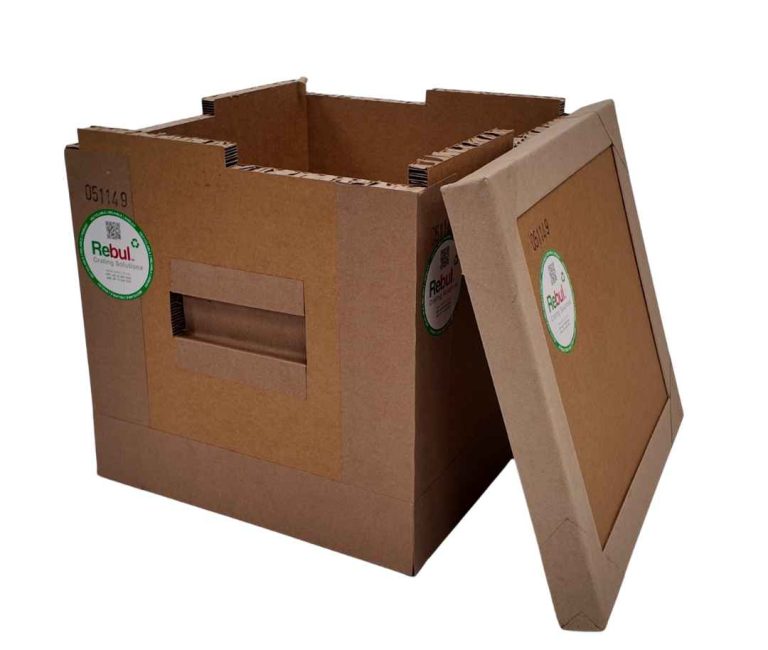
Made-to-size packaging built around the product
→ Built around product dimensions
→ Improves stability during transport
→ Supports fragile and high-value items
→ Can improve handling efficiency
→ Suitable for export and industrial use
Product Fit
Why fit matters in product protection
One of the biggest weaknesses of standard packaging is excess space. When a product has room to shift inside a box or crate, the risk of damage increases during loading, warehousing, transport and delivery.
Custom packaging is designed around the product itself. This helps reduce movement, improve product stability and create a cleaner, more professional packaging solution.
When To Use Each Option
Which packaging option makes sense?
Standard Packaging Works When
Products are uniform, low-risk, easy to replace and not exposed to complex handling or transport conditions.
Simple goods
Stock sizes
Basic storage
Low risk
Custom Packaging Is Better When
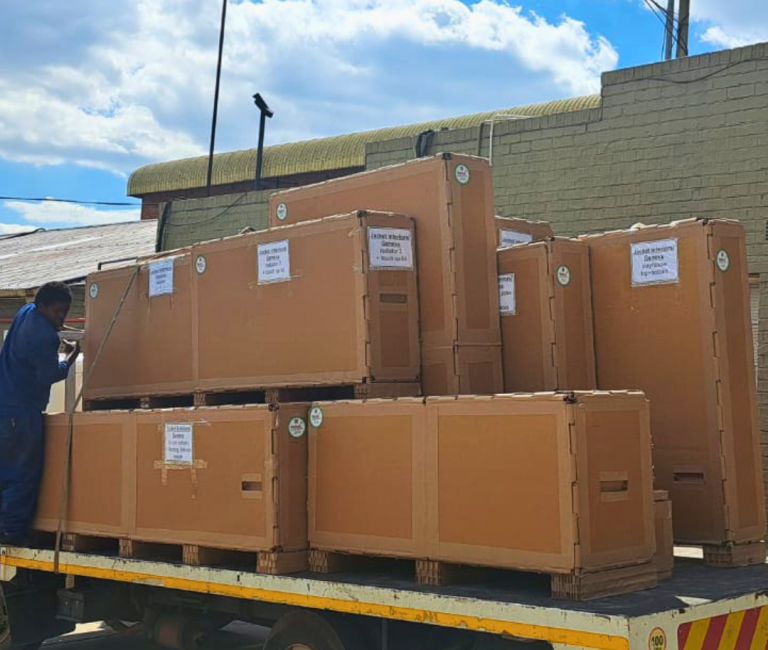
Products are fragile, valuable, large, unusual, export-bound or difficult to handle using standard packaging.
Artwork
Furniture
Industrial parts
Export goods
Rebul Solutions
Custom Packaging Options From Rebul
Depending on the product, Rebul can recommend crates, pallets, boards or complete protective packaging systems.
Freight Crates
Made-to-size crates for transport, storage and export protection.
Paper Pallets
Lightweight pallet alternatives for handling and export applications.
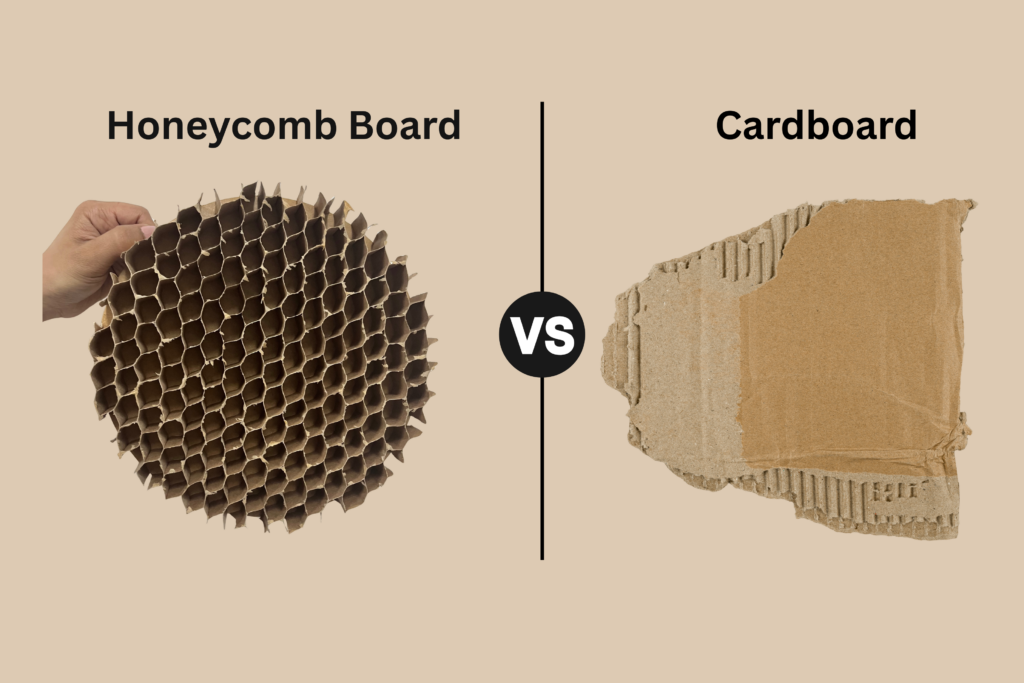
Honeycomb Boards
Lightweight structural boards for crates, inserts, dividers and panels.
Custom Packaging
Complete made-to-size packaging systems built around your product.
Final Takeaway
So, which option is better?
Standard packaging has its place, especially for simple products with low damage risk. But when products are fragile, valuable, large, export-bound or difficult to handle, custom packaging usually provides better protection and better long-term value.
The right packaging is not always the cheapest packaging option. It is the solution that protects the product properly, supports handling and reduces the risk of damage throughout the supply chain.
Need packaging for your project?
Need packaging built around your product?
Rebul designs and manufactures custom packaging solutions for businesses across South Africa, including crates, paper pallets, honeycomb boards and protective packaging systems.
Frequently Asked Questions
What is the difference between custom packaging and standard packaging?
Standard packaging is manufactured in fixed sizes and formats, while custom packaging is designed around the specific dimensions, weight and protection requirements of a product.
Is custom packaging more expensive than standard packaging?
Custom packaging may have a higher initial cost, but it can reduce product damage, improve handling efficiency and lower long-term shipping and replacement costs.
When should a business choose custom packaging?
Custom packaging is ideal for fragile, valuable, oversized or export-bound products that require additional protection during storage and transport.
What products benefit most from custom packaging?
Furniture, artwork, industrial components, technical equipment, glass products and export shipments often benefit from custom packaging solutions.
Can custom packaging help reduce shipping damage?
Yes. Because custom packaging is designed around the product, it helps reduce movement during handling and transport, which can significantly lower the risk of damage.
Does Rebul manufacture custom packaging in South Africa?
Yes. Rebul designs and manufactures custom packaging solutions in South Africa, including freight crates, paper pallets, honeycomb board packaging and protective packaging systems.
Related Resources
Continue Exploring Packaging Solutions
Discover related guides, packaging solutions and industry resources designed to help businesses improve product protection, handling and transport performance.