

Independent Materials Study
How Honeycomb and Corrugated Panels React Under Structural Load
A technical review of independent lab tests on bending, compression, and buckling of paper-board packaging panels used to make crates and boxes.
Study Overview
Not all paperboard-based materials behave the same under load.
Packaging panels are often grouped together visually, but their real-world performance depends on internal structure, core design, thickness, material composition, and how they deform under pressure.
This independent study examined how selected honeycomb and corrugated panel samples respond to bending and compression forces. These forces are similar to those experienced during handling, storage, stacking, and transport.
Core Question
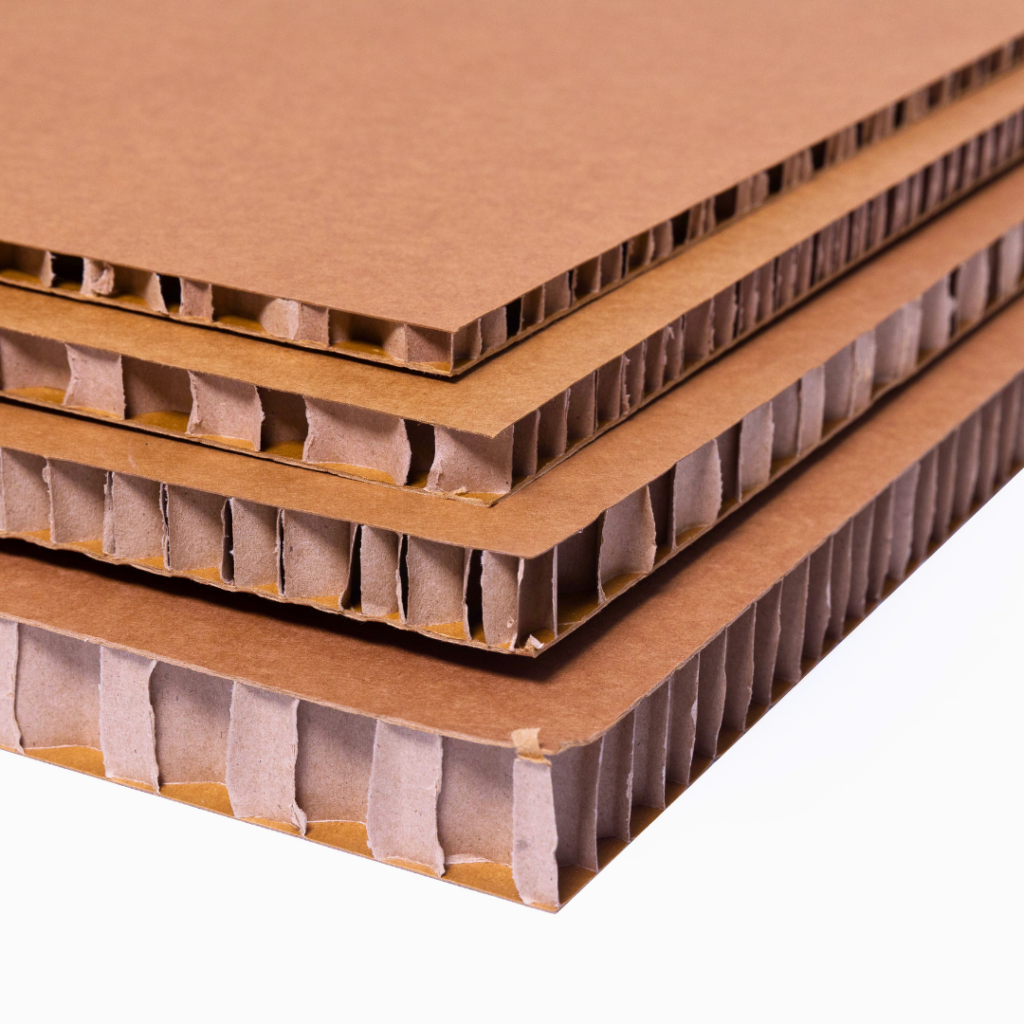
The study was not only about maximum strength. It also looked at how each material behaved before failure — whether it bent gradually, buckled early, crushed suddenly, or continued carrying load after peak force.
Materials Compared
Honeycomb vs Corrugated Panel Structures
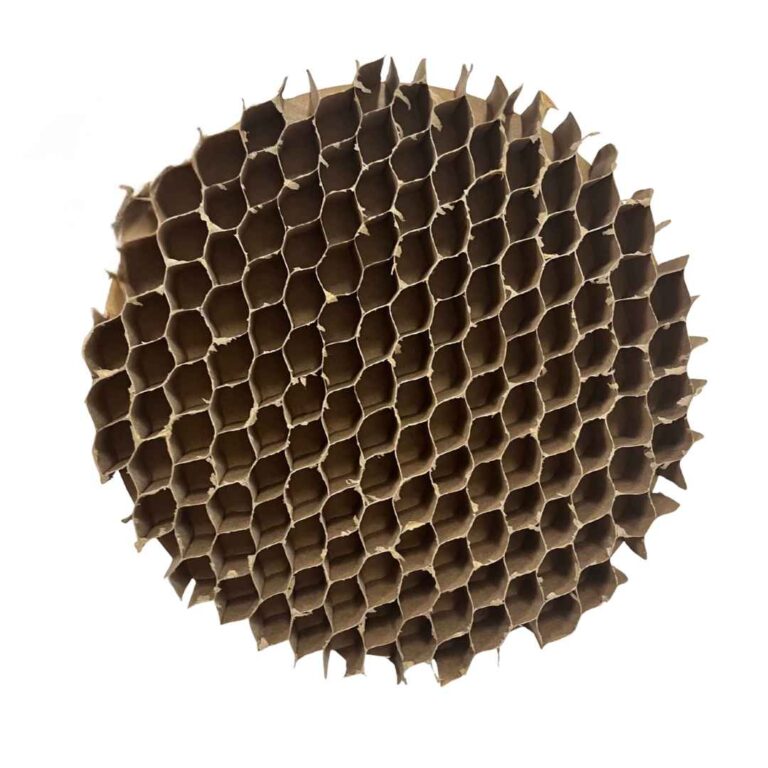
Honeycomb Panels
Honeycomb panels use a cellular core structure designed to spread load across the board while keeping the material lightweight. This makes them useful where stiffness, cushioning, and weight reduction are important.
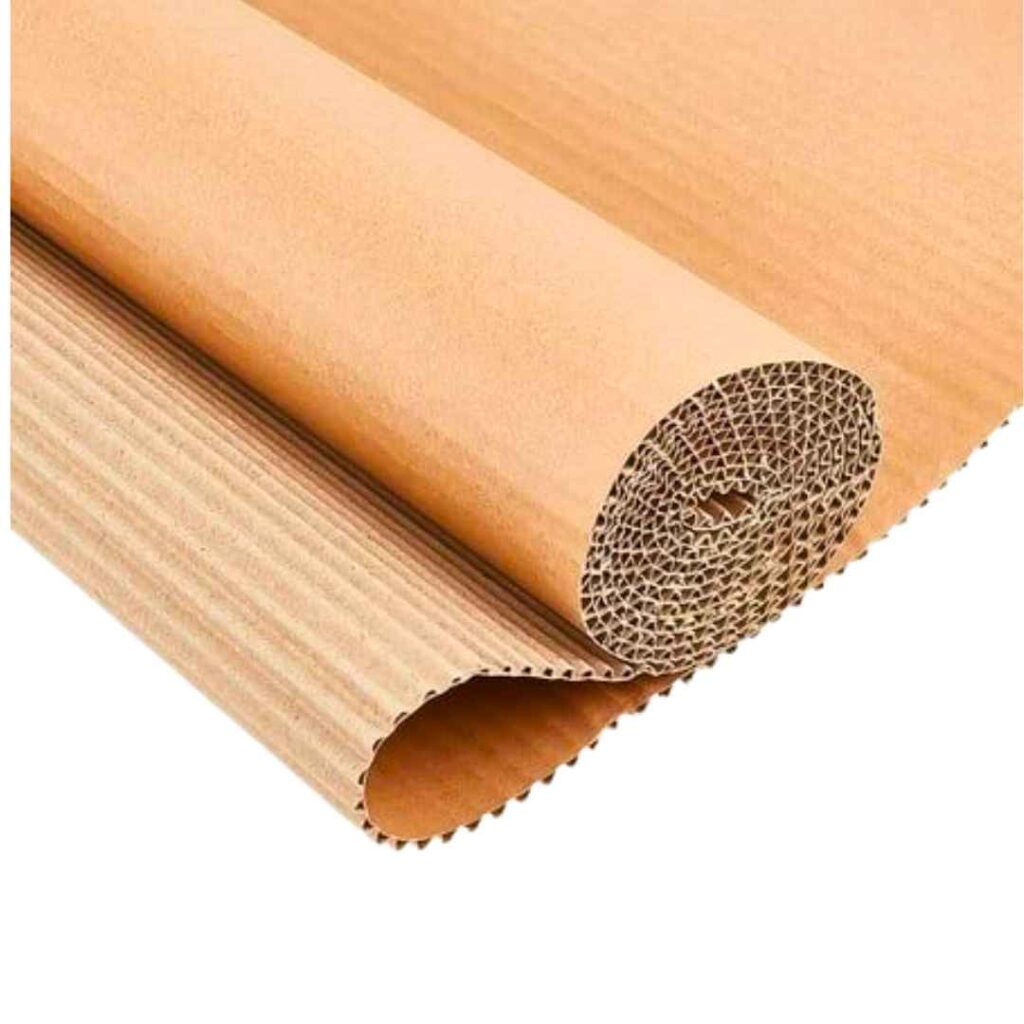
Corrugated Panels
Corrugated panels rely on fluted paper structures between liner surfaces. The flute profile provides rigidity, cushioning, and crush resistance depending on the board construction.
Testing Methodology
Two mechanical tests were used to understand performance.
1.
3-Point Bend Test
This test measures how much load a panel can carry while bending. It helps show flexural strength, stiffness, and how far a material deflects before failure.
2.
Flexural-Buckling Compression Test
This test compresses the panel along its length to assess buckling, crushing, and stability under edgewise loading conditions.
3-Point Bend Test
Honeycomb Panels Demonstrated Distinct Load Distribution Characteristics
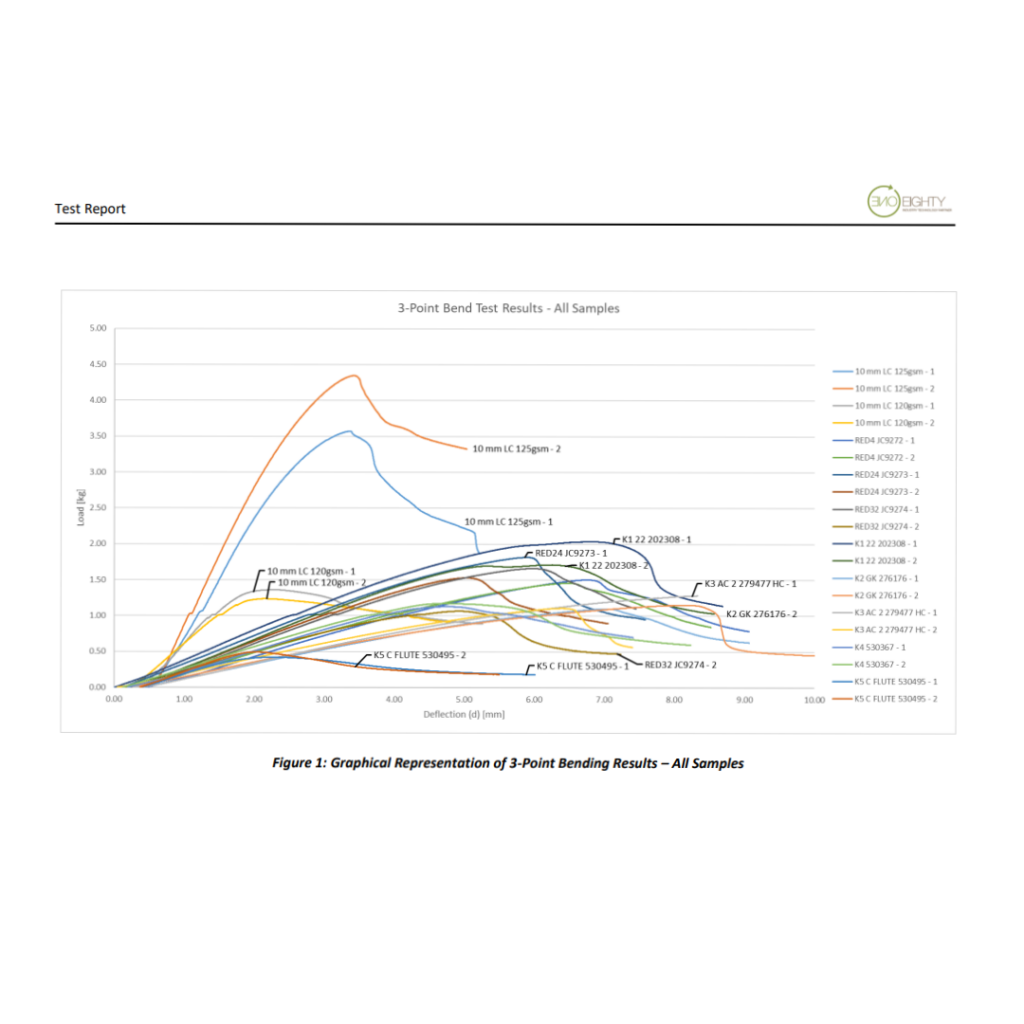
During the 3-point bending tests, the honeycomb panel samples showed a clear difference in response to loading.
The load-deflection curves showed that the honeycomb structures sustained higher loads. They maintained a relatively stable deformation pattern. Rather than failing abruptly, the honeycomb panels showed a gradual response as the load increased. This indicates forces were distributed well throughout the core structure.
This behaviour is one of the key characteristics of honeycomb-based materials. The cellular core geometry spreads loads over a larger area, reducing localized stress and improving overall structural stability.
For packaging, this shows why it matters to consider more than maximum load capacity. It also shows how a material behaves during the full loading cycle.
A material’s ability to distribute load and deform in a controlled manner plays an important role in protecting cargo during handling, transportation, and storage.
Key interpretation: Peak load is only one part of performance. The shape of the curve shows whether the material fails suddenly or continues absorbing energy as it bends.
3-Point bend Test Results Graph
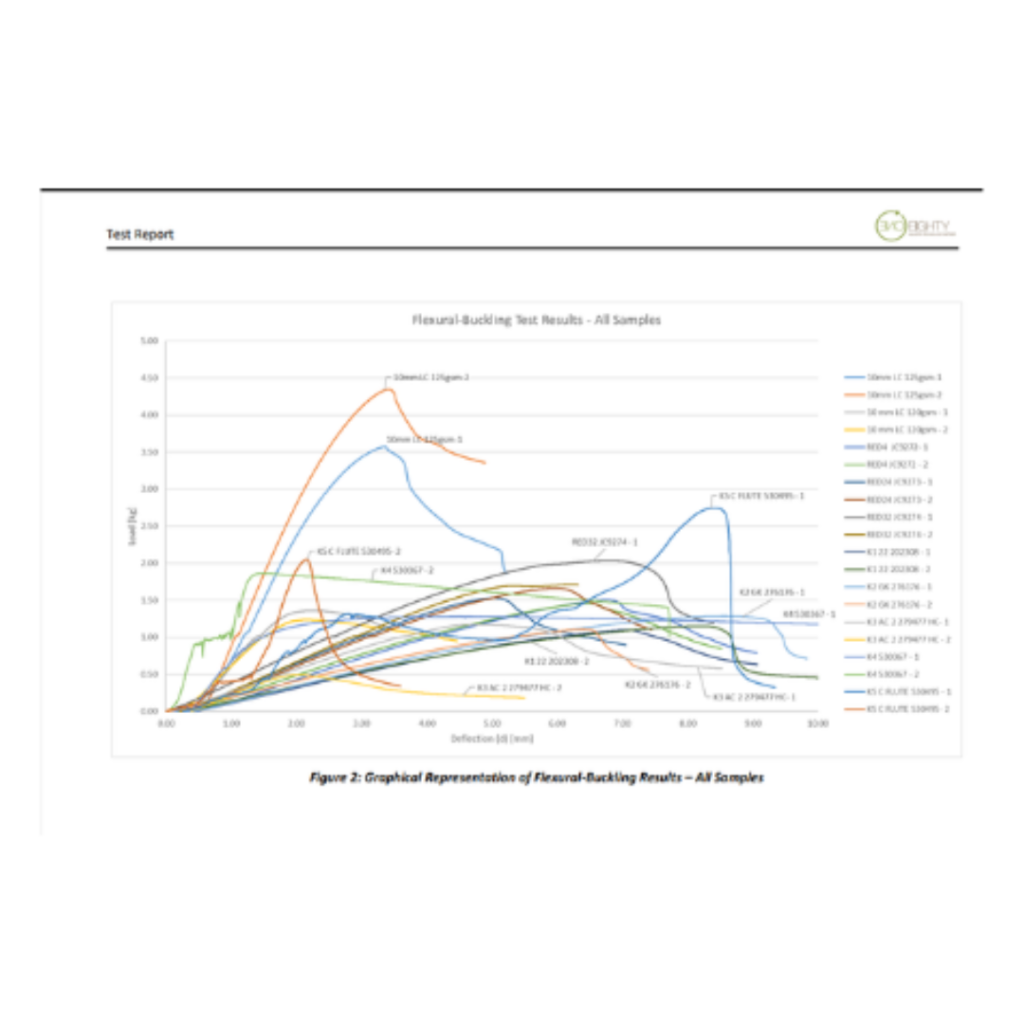
Flexural Buckling Test Results Graph
Flexural-Buckling Compression Test
Compression Testing Revealed Different Failure Mechanisms
The flexural-buckling compression tests further illustrated the differences in how honeycomb and corrugated structures react under compressive loading.
While all materials eventually failed, the test results showed different levels of deformation and buckling across core designs.
Honeycomb displayed a distinctive compression response consistent with the load-distribution characteristics associated with cellular core structures.
The findings reinforce an important principle in packaging design: materials should not be evaluated solely on peak performance values.
Understanding how a structure reacts before it fails can give useful insight. It helps assess its suitability for stacking, handling, warehousing, and transport.
The results suggest that the core shape greatly affects how forces spread through packaging. It also affects how the material responds to heavier loads.
Key interpretation: Compression performance helps indicate whether a panel is more likely to buckle, crush, or remain stable under stacking and transport loads.
The study shows that material performance is not only about thickness — structure, core design, and failure behaviour matter.
Practical Packaging Insights
What the findings mean for industrial packaging design
Load Behaviour
Different panel structures carry and release load differently, affecting how packaging performs under real handling conditions.
Failure Mode
A material can fail slowly. Another material can break suddenly. They may look the same before testing. But they can behave very differently.
Material Selection
Packaging design should match the material to the product, transport route, stacking conditions, and required protection level.
Need packaging designed around real performance?
Rebul develops packaging solutions using practical material knowledge, structural design, and real-world handling requirements.
Related Resources
Continue Exploring Packaging Solutions
Custom Packaging Solutions South Africa
Made-to-size packaging built around your product, route and handling needs.
Furniture Packaging
Protective packaging for furniture manufacturers, retailers and exporters.
Freight Crates For Export Shipping
Strong crate solutions for fragile, large or high-value products.
Furniture Export Shipping Guide
How furniture manufacturers protect products during export shipping.
