
Furniture Packaging Guide
How Furniture Manufacturers Protect Products During Export Shipping
Exporting furniture is very different from local delivery. Furniture passes through multiple handling points, warehouses, freight networks and shipping containers before reaching its destination.
This guide explains how furniture manufacturers reduce scratches, dents, broken corners and transport damage using custom furniture packaging, freight crates and honeycomb protection.

Why It Matters
Furniture needs more than basic wrapping.
Furniture often contains delicate finishes, exposed corners, glass components, painted surfaces and custom details. During export shipping, these products may be loaded, stored, stacked and handled several times.
Without the right packaging, small movements can turn into expensive damage.
Container loading
Surface scratches
Corner impacts
Stacking pressure
Long-distance shipping
Common Damage Risks
What Can Go Wrong During Furniture Transport?
Most furniture damage happens because the product is not fully secured, supported or protected for the route it needs to travel.
Surface Scratches
Painted, polished and laminated finishes can be damaged by rubbing, friction or poor wrapping.
Corner & Edge Damage
Furniture corners often absorb impact when items shift, are lifted incorrectly or move during transport.
Internal Movement
If furniture is not secured inside packaging, movement can cause dents, vibration damage and instability.
Stacking Pressure
Furniture may be stacked or consolidated during export, requiring packaging that distributes pressure safely.
Standard vs Custom
Why Standard Packaging Is Not Always Enough
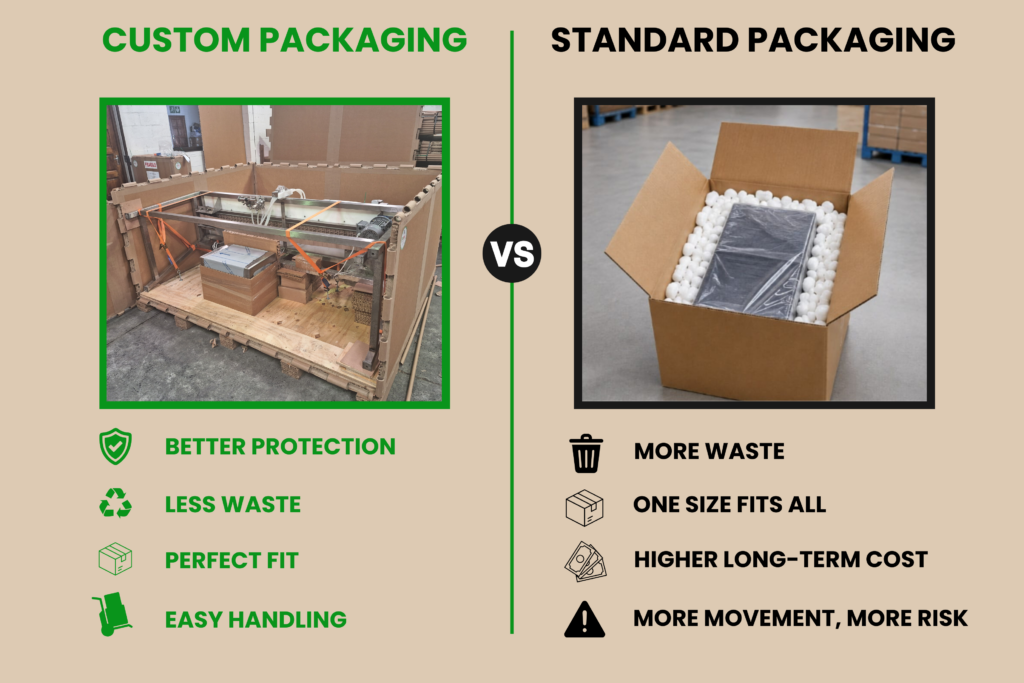
Many furniture products are oversized, irregularly shaped, fragile or high value. Standard boxes often leave too much empty space around the item, which increases movement and damage risk.
Custom furniture packaging is designed around the actual product, helping improve protection, reduce unnecessary void fill and support safer handling.
Packaging Solutions
How Furniture Manufacturers Protect Export Shipments
The right packaging depends on the furniture type, value, weight, destination and handling conditions.
Freight Crates
Made-to-size crates for larger, fragile or higher-value furniture that needs stronger protection.
Paper Pallets
Lightweight pallet options that support easier handling, storage and export movement.
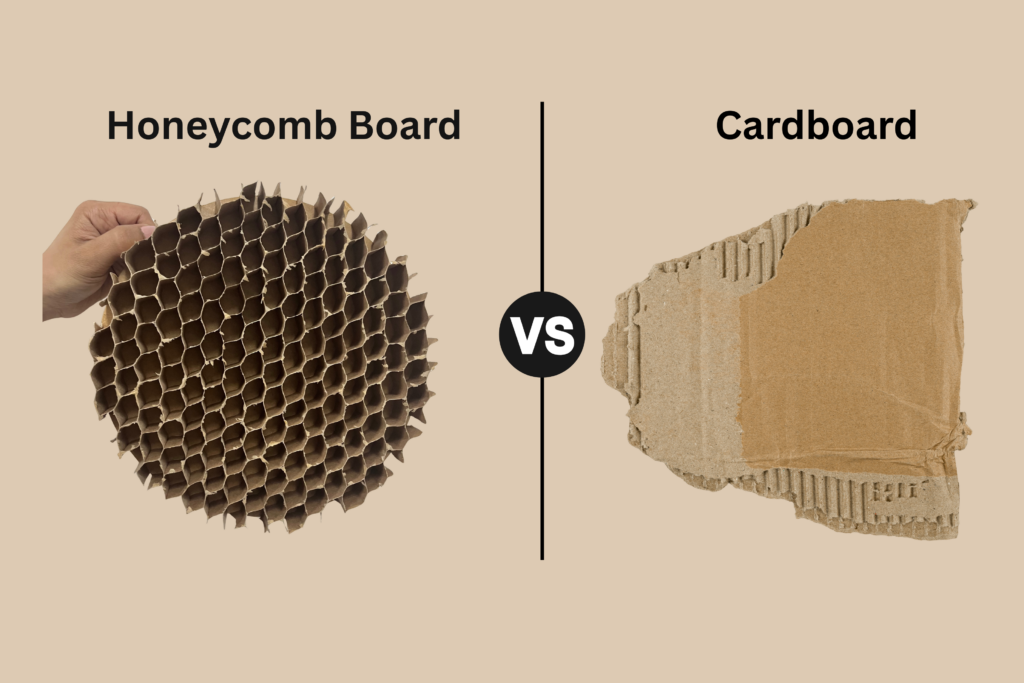
Honeycomb Boards
Lightweight structural boards used for protective panels, dividers, separators and crate systems.
Custom Packaging
Complete made-to-size packaging systems designed around furniture dimensions and destination.
Furniture Types
Different Furniture Needs Different Protection
Tables, chairs, cabinets, retail fixtures and hospitality furniture all move differently through the supply chain. Packaging should be matched to the product and the route.
Tables
Chairs
Cabinets
Retail
Shelving Systems
Hospitality Furniture
Outdoor Furniture
Custom Projects
Best Practice
Export Packaging Best Practices For Furniture Manufacturers
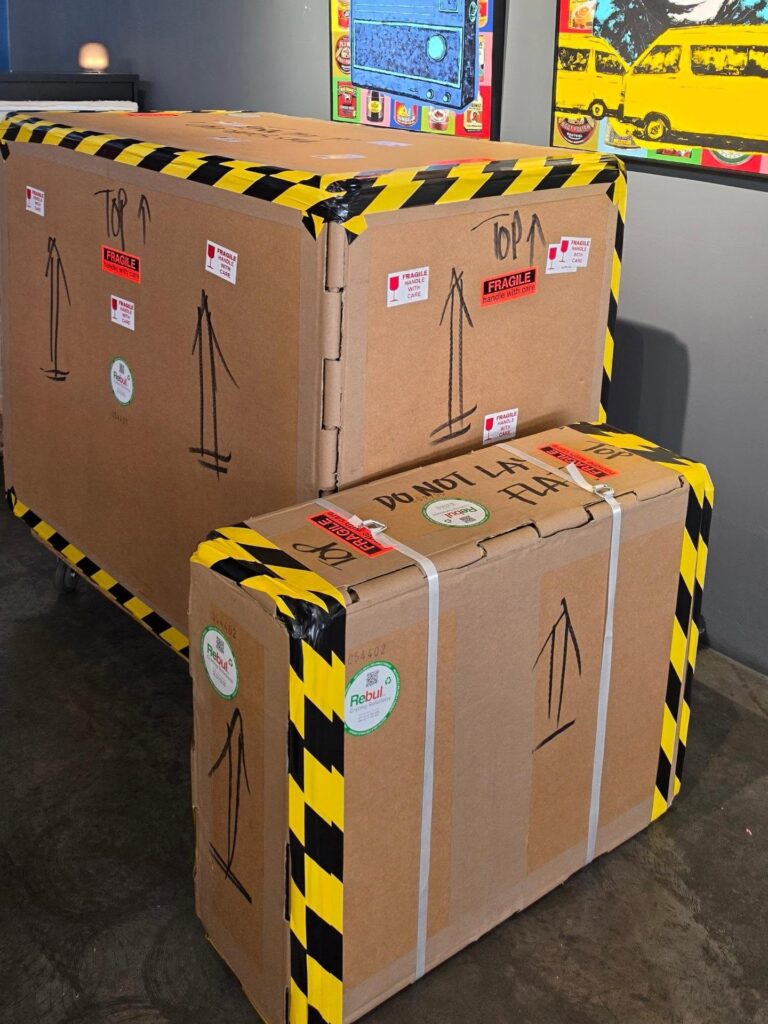
Package Around The Product
Avoid forcing furniture into oversized or unsuitable packaging
Reduce Internal Movement
Use inserts, dividers, supports and crate systems to stabilise the item.
Consider Handling Requirements
Plan for forklifts, pallet jacks, warehouse movement and manual handling.
Plan For Long-Distance Shipping
Export shipments require more protection than simple local delivery.
Final Takeaway
The right packaging protects the product and the brand.
Furniture products often travel through complex supply chains before reaching their destination. The right packaging helps reduce damage, improve handling efficiency and protect valuable products throughout the shipping process.
For manufacturers, designers and suppliers, custom furniture packaging provides a more reliable solution than standard packaging formats, especially when products are being prepared for export shipping.
Looking For Furniture Packaging Solutions?
Rebul designs and manufactures custom furniture packaging solutions for manufacturers, retailers, designers and exporters across South Africa.
Frequently Asked Questions
What is furniture export packaging?
Furniture export packaging is packaging designed to protect furniture during international transport, warehousing, handling and shipping.
Why is custom furniture packaging important?
Custom furniture packaging helps reduce movement, improve protection and minimise damage during transport.
Are freight crates suitable for furniture shipping?
Yes. Freight crates provide strong structural protection for large, fragile or valuable furniture products.
What materials are used in furniture packaging?
Common materials include honeycomb boards, protective inserts, pallet bases and custom crate systems.
Related Resources
Continue Exploring Packaging Solutions
Discover related guides, packaging solutions and industry resources designed to help businesses improve product protection, handling and transport performance.